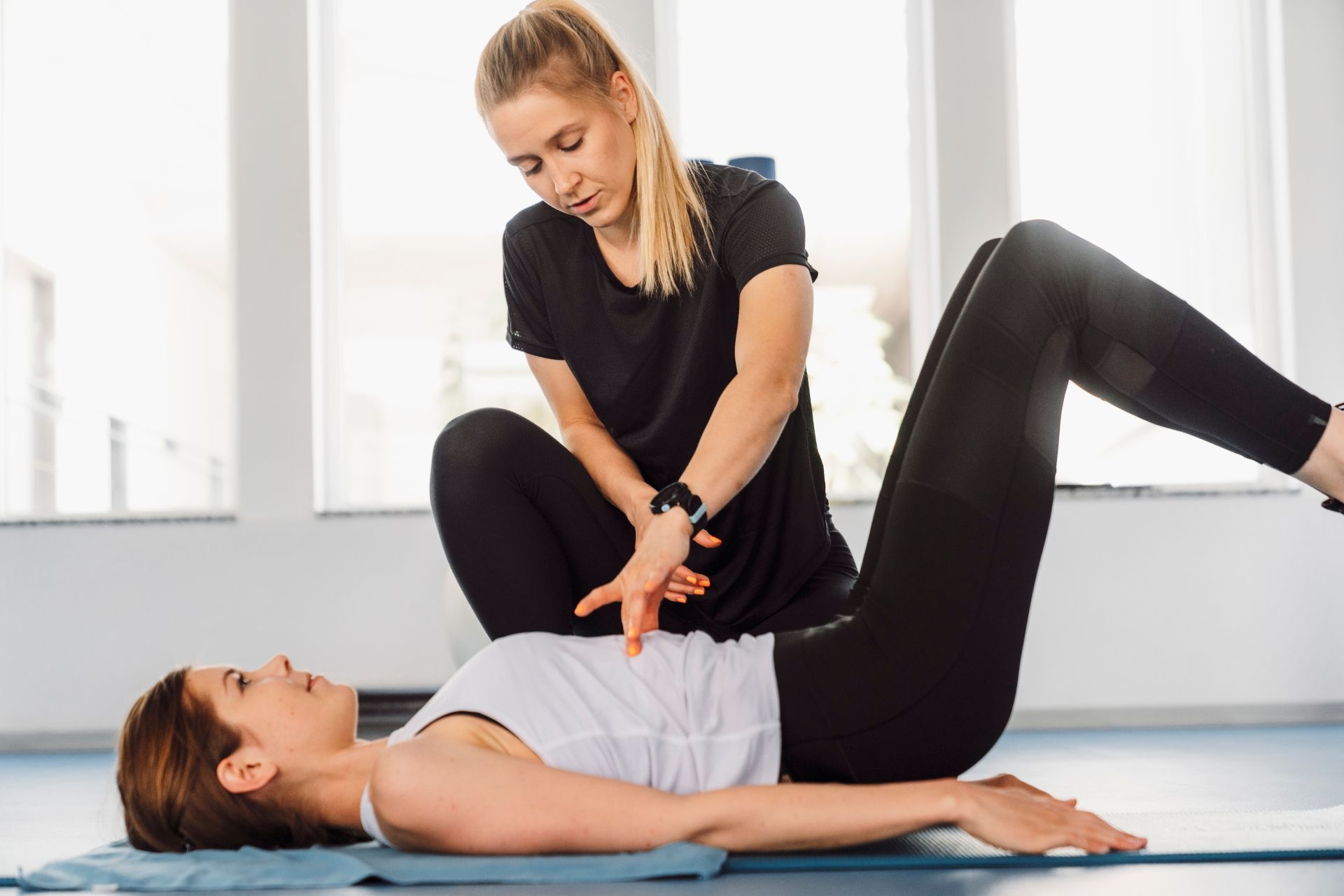
Using a stability ball for exercise offers several benefits. Firstly, it helps to improve core strength and stability by engaging the deep muscles of the abdomen, back, and pelvis. This can lead to better posture and reduced risk of back pain. Additionally, stability ball exercises require balance and coordination, which can enhance overall body awareness and proprioception. The unstable surface of the ball also activates smaller stabilizer muscles, leading to improved muscle tone and strength. Furthermore, using a stability ball can increase flexibility and range of motion, as many exercises involve stretching and reaching. Overall, incorporating a stability ball into your workout routine can provide a fun and effective way to improve strength, stability, and flexibility.
Stability ball exercises are highly effective for improving core strength. The unstable surface of the ball forces the core muscles to engage in order to maintain balance and stability. This includes the deep muscles of the abdomen, back, and pelvis, as well as the muscles of the hips and shoulders. By consistently performing stability ball exercises, these muscles become stronger and more resilient. This can lead to improved posture, reduced risk of back pain, and enhanced athletic performance. Some specific stability ball exercises that target the core include ball crunches, plank variations, and Russian twists. By incorporating these exercises into your routine, you can effectively strengthen your core and improve overall stability.
Wind sprints have secured a prominent place among today’s vast array of personal training options. Consisting of a series of top-speed running spurts, followed by… The post Wind Sprints: How to Effectively Train Personal Training Clients for Speed appeared first on National Federation of Professional Trainers.

Posted by on 2024-01-02
Winning over seasoned fitness enthusiasts into new personal training clients can seem like a daunting task. They have the confidence and discipline to stick to… The post Winning Seasoned Fitness Enthusiasts as A-List Personal Training Clients appeared first on National Federation of Professional Trainers.
Posted by on 2023-12-22
There are several stability ball exercises that specifically target the glutes. One example is the stability ball bridge. To perform this exercise, lie on your back with your feet resting on the ball and your knees bent. Press your feet into the ball and lift your hips off the ground, squeezing your glutes at the top of the movement. Another exercise is the stability ball hamstring curl. Start by lying on your back with your feet resting on the ball. Lift your hips off the ground and roll the ball towards your glutes by bending your knees. Extend your legs back out to the starting position and repeat. These exercises effectively target the glute muscles, helping to strengthen and tone them.
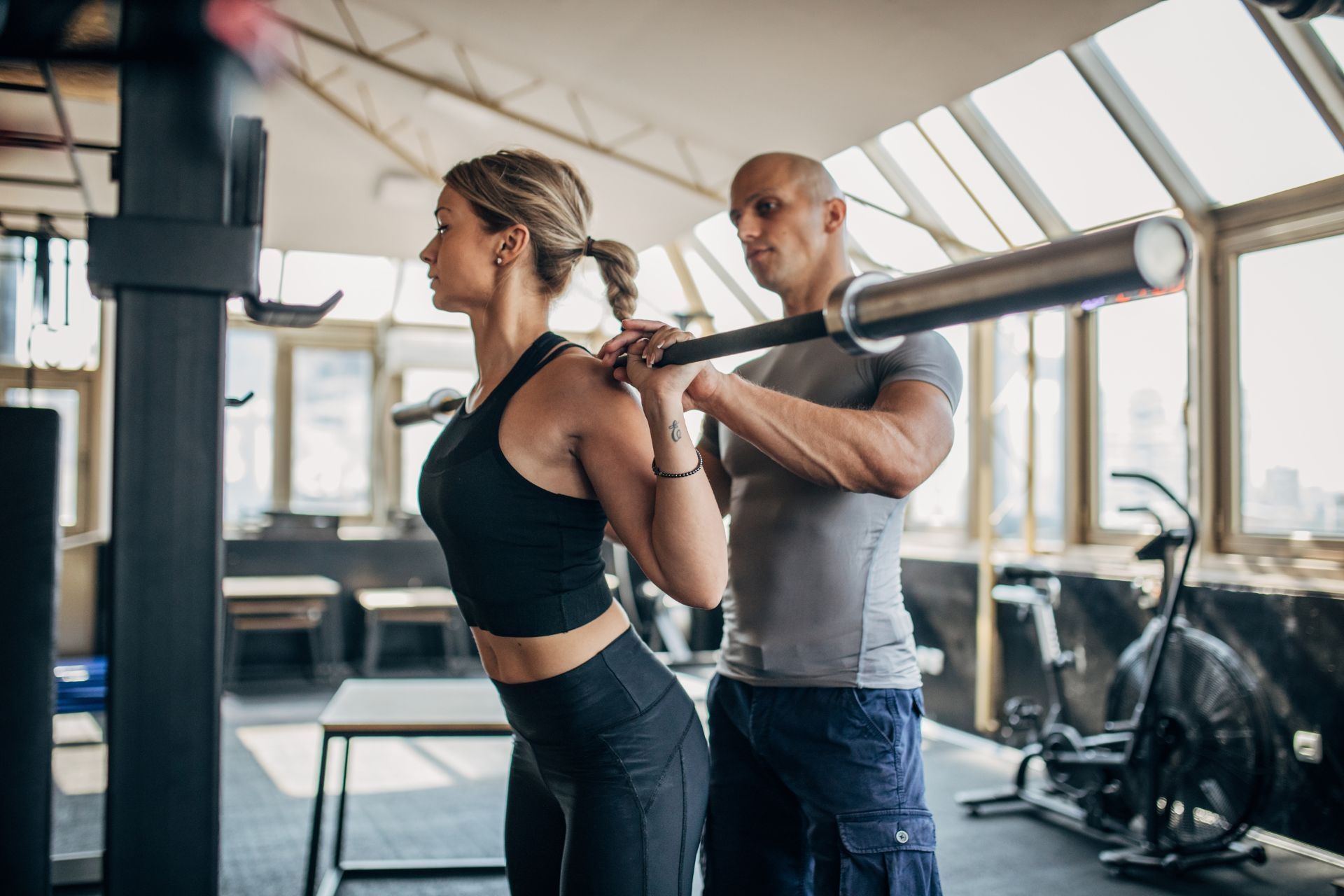
Yes, stability ball exercises can help improve balance and stability. The unstable surface of the ball requires the body to constantly make small adjustments in order to maintain balance. This activates the muscles responsible for stability, including the core, hips, and legs. By consistently performing stability ball exercises, these muscles become stronger and more adept at maintaining balance. This can have a positive impact on overall balance and stability, reducing the risk of falls and improving performance in activities that require balance, such as sports and everyday movements.
When using a stability ball, there are a few precautions and safety tips to keep in mind. Firstly, it's important to choose the right size ball for your height. When sitting on the ball, your knees should be at a 90-degree angle and your feet should be flat on the ground. It's also important to properly inflate the ball and check for any signs of damage or wear before each use. When performing stability ball exercises, it's crucial to maintain proper form and alignment to avoid injury. This includes engaging the core, keeping the spine neutral, and using controlled movements. It's also important to start with easier exercises and gradually progress to more challenging ones as your strength and stability improve.
Stability ball exercises can be modified for beginners or those with limited mobility. For beginners, it's important to start with basic exercises and gradually progress to more advanced ones as strength and stability improve. This may involve performing exercises with a smaller range of motion or using a lighter resistance. Additionally, beginners can start by using a larger stability ball or even a chair for added support and stability. For those with limited mobility, stability ball exercises can be adapted to accommodate their needs. This may involve performing seated exercises or using a stability ball against a wall for added support. It's important to listen to your body and work within your own limitations to ensure a safe and effective workout.
Absolutely, stability ball exercises can be incorporated into a full-body workout routine. The versatility of the stability ball allows for a wide range of exercises that target various muscle groups. For example, stability ball squats can target the lower body, stability ball push-ups can target the chest and arms, and stability ball back extensions can target the back muscles. By incorporating stability ball exercises into a full-body routine, you can effectively engage multiple muscle groups and improve overall strength, stability, and flexibility. It's important to vary the exercises and incorporate different movement patterns to ensure a well-rounded workout.
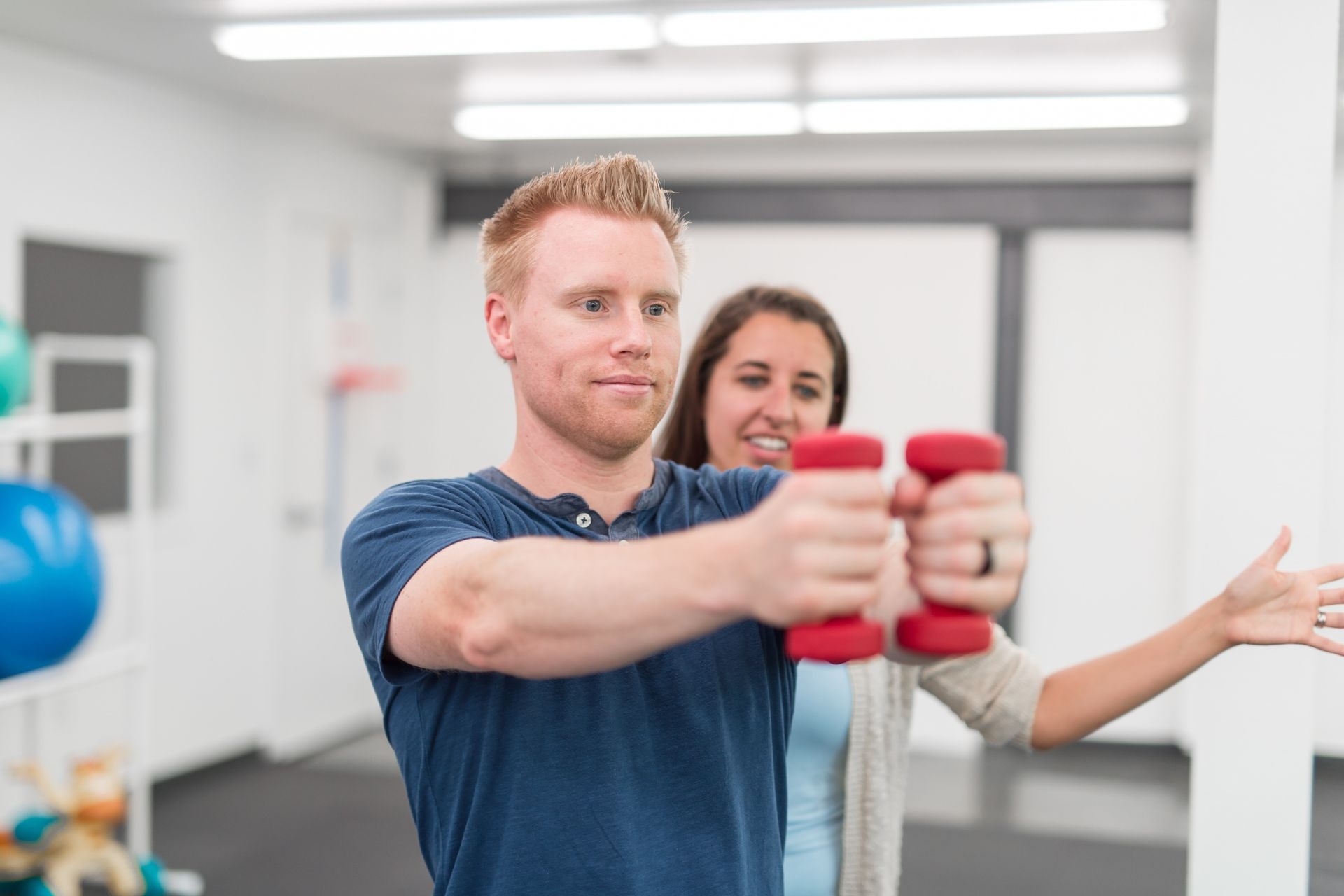
Personal training can indeed help individuals enhance their overall quality of life and longevity. By engaging in regular exercise and working with a personal trainer, individuals can improve their physical fitness, strength, and flexibility. This can lead to a reduction in the risk of chronic diseases such as heart disease, diabetes, and obesity. Additionally, personal training can help individuals develop healthy habits and behaviors, such as proper nutrition and stress management, which can further contribute to their overall well-being. The guidance and support provided by a personal trainer can also help individuals set and achieve realistic goals, boosting their self-confidence and motivation. Overall, personal training can play a crucial role in improving an individual's physical and mental health, leading to a higher quality of life and increased longevity.
Personal training can have a significant impact on mental health and well-being by providing individuals with a structured and supportive environment to improve their physical fitness. Engaging in regular exercise has been shown to release endorphins, which are natural mood boosters that can alleviate symptoms of depression and anxiety. Additionally, personal trainers often incorporate mindfulness and stress-reduction techniques into their sessions, such as deep breathing exercises and meditation, which can help individuals manage stress and improve their overall mental well-being. The personalized attention and guidance provided by a personal trainer can also enhance self-confidence and self-esteem, as individuals achieve their fitness goals and develop a positive body image. Furthermore, the social aspect of personal training can foster a sense of belonging and community, reducing feelings of isolation and promoting mental wellness. Overall, personal training offers a holistic approach to improving mental health and well-being by addressing both physical and psychological aspects of an individual's life.
Yes, personal training can be extremely beneficial for pre and post-natal fitness. A qualified personal trainer who specializes in pre and post-natal exercise can provide tailored workouts and guidance that are safe and effective for pregnant and postpartum women. They can help with maintaining a healthy weight, improving cardiovascular fitness, strengthening the core and pelvic floor muscles, and reducing the risk of common pregnancy-related issues such as back pain and pelvic girdle pain. Additionally, a personal trainer can provide education on proper nutrition and lifestyle habits to support a healthy pregnancy and postpartum recovery. By working with a personal trainer, women can feel confident and empowered in their fitness journey during this special time in their lives.
Yes, there are personalized training programs available for individuals recovering from surgery. These programs are specifically designed to cater to the unique needs and limitations of each individual during their recovery process. The training programs focus on gradually rebuilding strength, improving flexibility, and enhancing overall physical function. They may include a combination of exercises, stretches, and movements that target the affected area or areas, as well as other parts of the body that may have been affected by the surgery. Additionally, these programs often incorporate various therapeutic techniques, such as manual therapy, hydrotherapy, and electrical stimulation, to aid in the healing and rehabilitation process. The personalized nature of these training programs ensures that each individual receives the appropriate level of support and guidance to optimize their recovery and regain their pre-surgery level of fitness and functionality.
Personal training can accommodate individuals with disabilities by providing specialized programs and modifications tailored to their specific needs. Trainers can incorporate adaptive equipment and techniques to ensure a safe and effective workout. They can also focus on improving mobility, strength, and flexibility to address any limitations caused by the disability. Additionally, personal trainers can offer guidance on proper form and technique to prevent injuries and maximize the individual's potential. By understanding the unique challenges faced by individuals with disabilities, personal trainers can create inclusive and empowering fitness experiences that promote overall health and well-being.