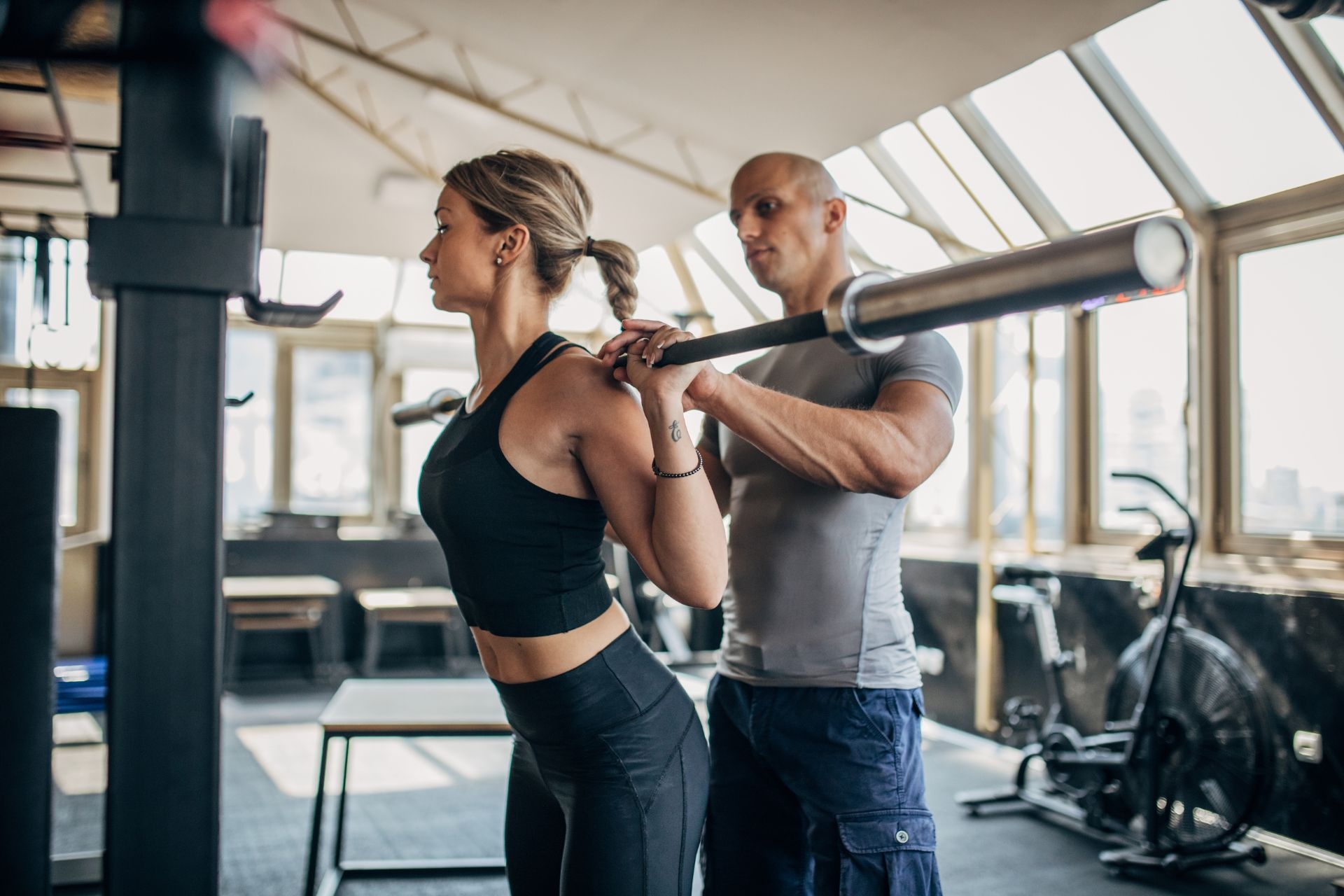
There are several different HIIT protocols that can be used in a workout routine. One common protocol is the Tabata method, which involves 20 seconds of high-intensity exercise followed by 10 seconds of rest, repeated for a total of 4 minutes. Another protocol is the 30-20-10 method, where individuals perform 30 seconds of moderate-intensity exercise, followed by 20 seconds of high-intensity exercise, and then 10 seconds of all-out effort. The Little method is another popular protocol, which consists of 60 seconds of high-intensity exercise followed by 75 seconds of rest, repeated for a total of 8 cycles. These are just a few examples of the different HIIT protocols that can be utilized in a workout routine.
The length of each high-intensity interval in a HIIT workout can vary depending on the individual's fitness level and goals. Generally, high-intensity intervals can range from 20 seconds to 60 seconds in duration. It is important to push yourself to your maximum effort during these intervals in order to reap the benefits of HIIT. However, it is also important to listen to your body and adjust the duration of the intervals as needed. Beginners may start with shorter intervals and gradually increase the duration as they build their fitness level.
Wind sprints have secured a prominent place among today’s vast array of personal training options. Consisting of a series of top-speed running spurts, followed by… The post Wind Sprints: How to Effectively Train Personal Training Clients for Speed appeared first on National Federation of Professional Trainers.

Posted by on 2024-01-02
Winning over seasoned fitness enthusiasts into new personal training clients can seem like a daunting task. They have the confidence and discipline to stick to… The post Winning Seasoned Fitness Enthusiasts as A-List Personal Training Clients appeared first on National Federation of Professional Trainers.

Posted by on 2023-12-22
The recommended rest period between high-intensity intervals in a HIIT workout is typically around 10-30 seconds. This allows for a brief recovery period before the next intense interval. The rest period should be used to catch your breath and prepare for the next bout of high-intensity exercise. It is important to note that the rest period should not be too long, as this can decrease the overall intensity of the workout. Finding the right balance between work and rest is key to maximizing the benefits of HIIT.

Yes, HIIT can be modified for beginners or individuals with certain health conditions. Beginners can start by performing shorter intervals and gradually increasing the intensity and duration as they progress. It is important for individuals with health conditions to consult with a healthcare professional before starting a HIIT program. Modifications can be made to accommodate any limitations or restrictions. For example, individuals with joint issues may choose low-impact exercises, while those with cardiovascular conditions may need to monitor their heart rate closely during the high-intensity intervals.
Incorporating HIIT into a fitness routine can offer a variety of benefits. One of the main benefits is improved cardiovascular fitness. The intense bursts of exercise followed by short rest periods help to increase the heart rate and improve cardiovascular endurance. HIIT can also be an effective way to burn calories and promote weight loss. The high-intensity intervals increase the metabolic rate, leading to a greater calorie burn both during and after the workout. Additionally, HIIT has been shown to improve insulin sensitivity, increase muscle strength, and enhance overall athletic performance.
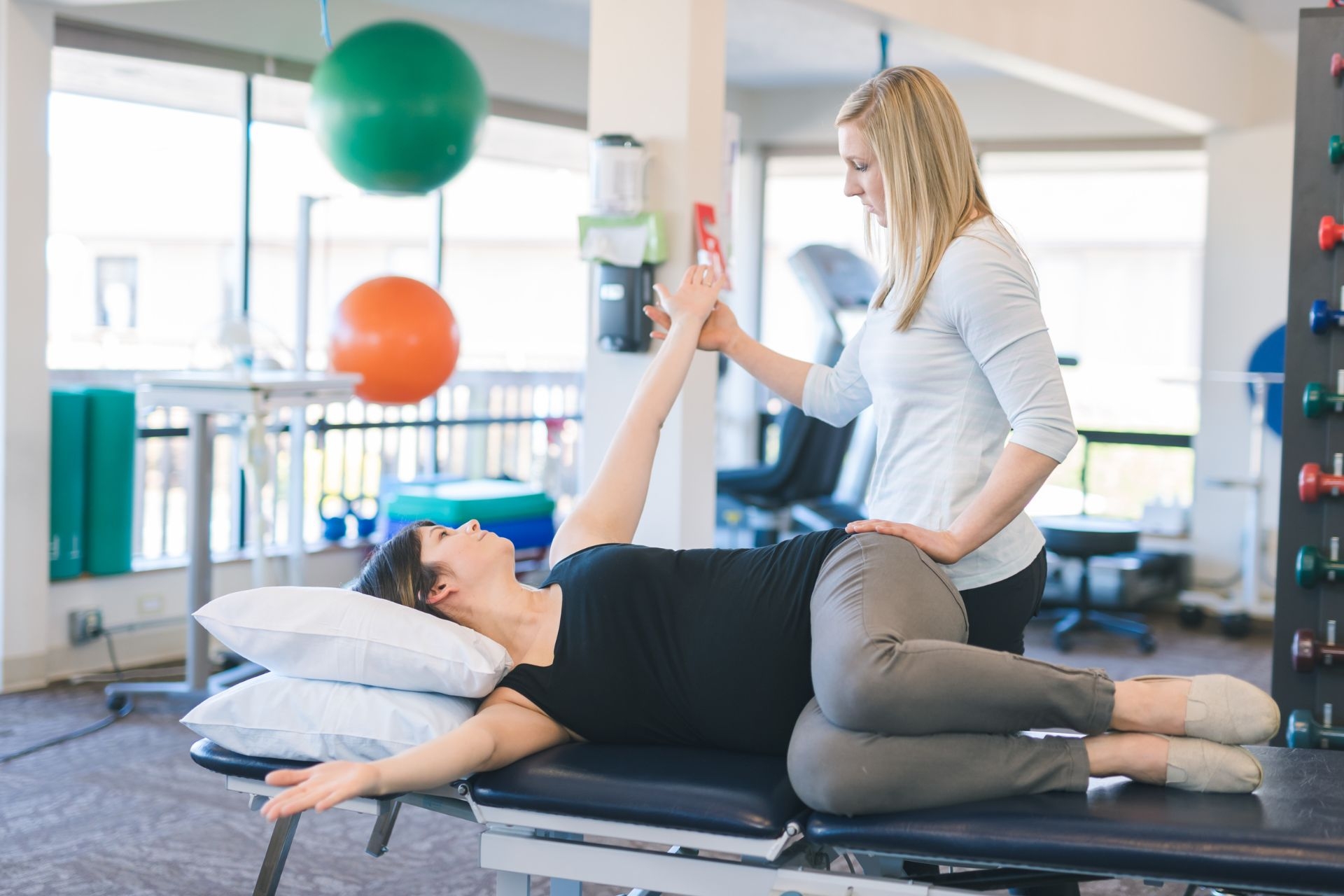
While HIIT can be a highly effective form of exercise, there are some potential risks and precautions to consider. Due to the high-intensity nature of the workouts, there is an increased risk of injury if proper form and technique are not maintained. It is important to start with a proper warm-up and gradually increase the intensity and duration of the intervals. Individuals with certain health conditions, such as heart disease or joint issues, should consult with a healthcare professional before starting a HIIT program. It is also important to listen to your body and take rest days as needed to allow for proper recovery.
The frequency of HIIT workouts for optimal results can vary depending on individual goals and fitness levels. Generally, it is recommended to incorporate HIIT workouts into a fitness routine 2-3 times per week. This allows for adequate recovery between sessions while still reaping the benefits of the high-intensity intervals. It is important to balance HIIT workouts with other forms of exercise, such as strength training and low-intensity cardio, to ensure a well-rounded fitness routine. Additionally, it is important to listen to your body and adjust the frequency as needed to prevent overtraining and promote proper recovery.
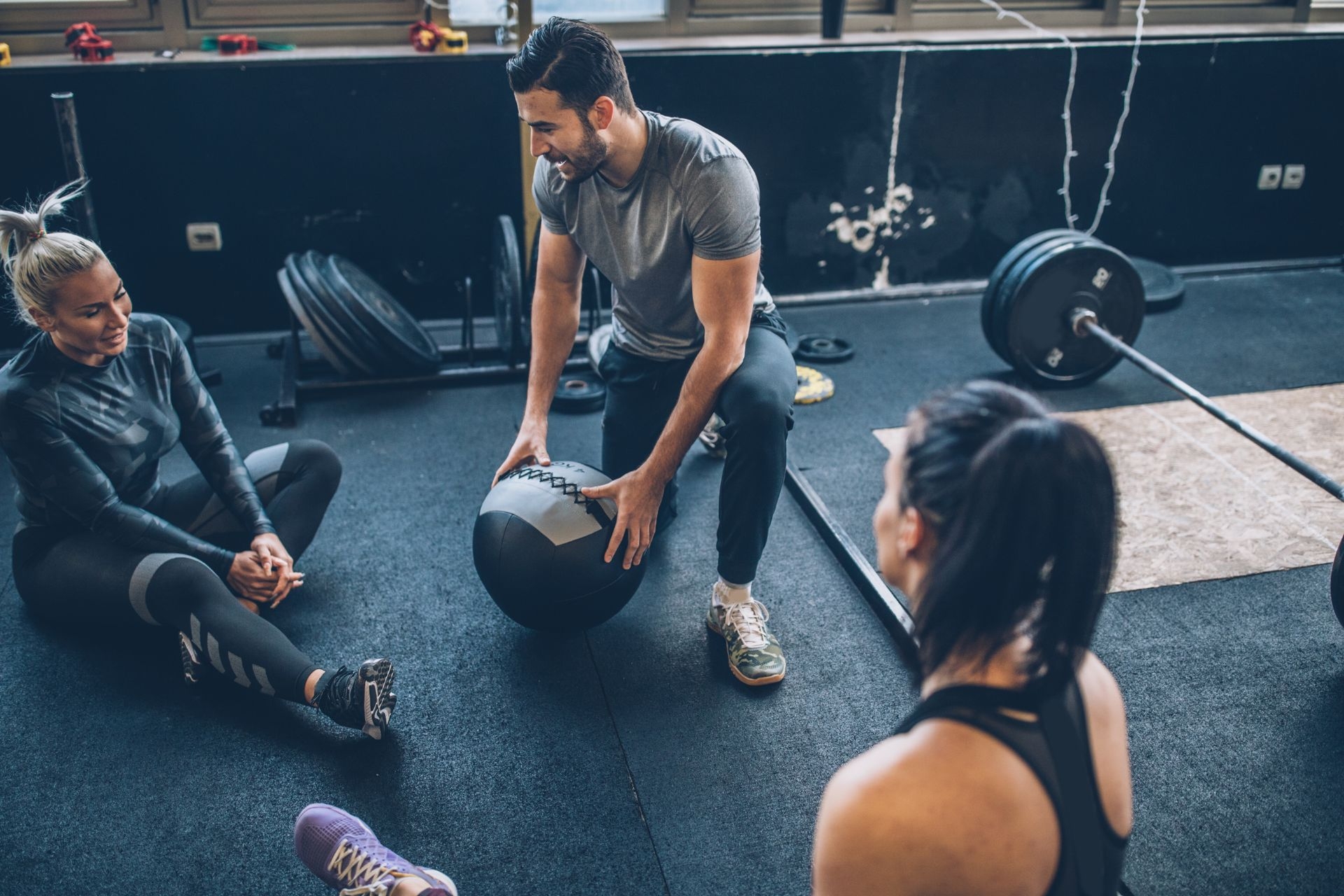
Personal training can greatly enhance the performance of martial artists and fighters. By engaging in a tailored training program, individuals can improve their strength, agility, speed, and endurance, all of which are crucial for success in combat sports. A skilled personal trainer can design workouts that incorporate specific martial arts techniques, such as striking, grappling, and defensive maneuvers, allowing fighters to refine their skills and develop muscle memory. Additionally, personal training can focus on improving flexibility, balance, and coordination, which are essential for executing complex movements and avoiding injuries. Through personalized guidance and motivation, personal training can push martial artists and fighters to reach their full potential and excel in their chosen discipline.
Personal training can effectively accommodate individuals with specific phobias or anxieties by employing various strategies tailored to their unique needs. Firstly, trainers can create a safe and supportive environment that fosters trust and understanding, allowing clients to feel comfortable and secure during their sessions. Additionally, trainers can utilize exposure therapy techniques, gradually exposing clients to their fears or triggers in a controlled and gradual manner, helping them build resilience and overcome their anxieties. Moreover, trainers can incorporate relaxation techniques such as deep breathing exercises or mindfulness practices to help clients manage their anxiety symptoms during training sessions. By employing these personalized approaches, personal trainers can effectively support individuals with specific phobias or anxieties on their fitness journey, ensuring a positive and empowering experience.
Personal training for seniors offers numerous benefits that can greatly improve their overall health and well-being. Firstly, it helps seniors maintain and improve their physical strength, flexibility, and balance, which are crucial for preventing falls and injuries. Additionally, personal training can help seniors manage chronic conditions such as arthritis, osteoporosis, and heart disease by providing tailored exercises and guidance. Moreover, it promotes cognitive function and mental well-being by incorporating activities that stimulate the brain and improve memory. Furthermore, personal training sessions provide a social aspect, allowing seniors to interact with others and combat feelings of loneliness and isolation. Lastly, personal trainers can offer personalized guidance and motivation, ensuring that seniors stay committed to their fitness goals and maintain a healthy lifestyle.
Personal training can indeed help individuals improve immune function. Regular exercise has been shown to have a positive impact on the immune system, as it helps to increase the production of antibodies and enhance the activity of immune cells. Additionally, personal trainers can provide guidance on proper nutrition and lifestyle habits that can further support immune health. By incorporating specific exercises that target the immune system, such as aerobic activities, strength training, and flexibility exercises, individuals can strengthen their immune response and reduce the risk of infections and illnesses. Furthermore, personal trainers can also help individuals manage stress levels, as chronic stress can weaken the immune system. Through personalized training programs and expert guidance, personal trainers can play a crucial role in improving immune function and overall health.
Personal training can provide valuable support for individuals with sleep disorders. By engaging in regular physical activity, individuals can improve their overall sleep quality and duration. Exercise has been shown to increase the production of endorphins, which can help reduce stress and anxiety, common contributors to sleep disorders. Additionally, personal trainers can design customized exercise programs that target specific sleep-related issues, such as insomnia or sleep apnea. These programs may include a combination of cardiovascular exercises, strength training, and flexibility exercises, all of which can contribute to better sleep. Personal trainers can also provide guidance on proper sleep hygiene practices, such as establishing a consistent sleep schedule and creating a relaxing bedtime routine. Overall, personal training can play a crucial role in helping individuals with sleep disorders improve their sleep patterns and achieve better overall health and well-being.
Personal training can provide valuable support for individuals with specific learning disabilities by offering tailored strategies and techniques to address their unique needs. Trained professionals can employ a variety of instructional methods, such as multisensory learning, visual aids, and assistive technology, to enhance the learning experience for these individuals. Additionally, personal trainers can focus on building self-confidence and self-esteem, as well as promoting self-advocacy skills, which are crucial for individuals with learning disabilities to succeed academically and in other areas of life. By creating a supportive and inclusive environment, personal training can empower individuals with specific learning disabilities to overcome challenges, maximize their potential, and achieve their goals.