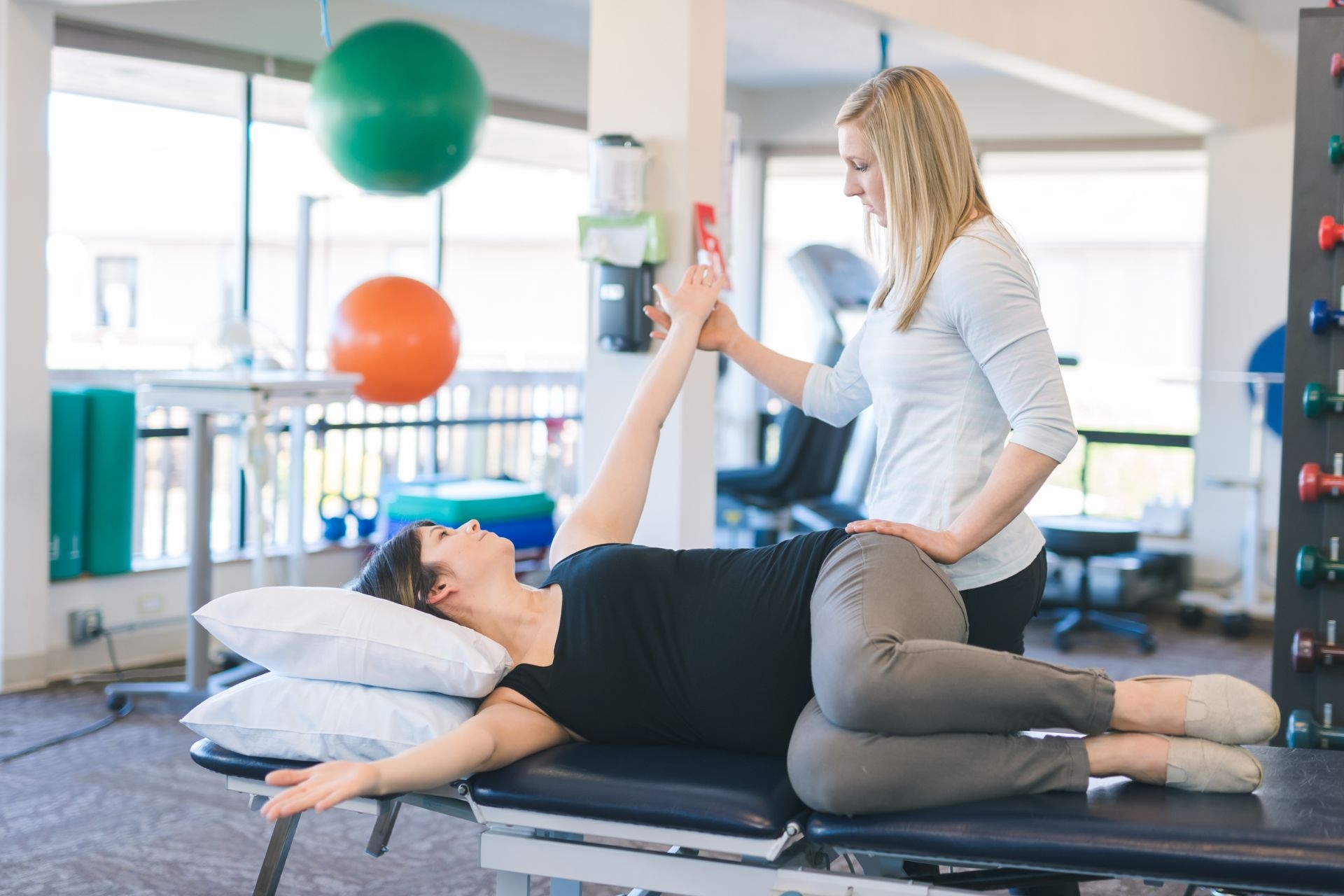
When prescribing exercise for individuals with cardiovascular disease, there are specific guidelines that need to be followed to ensure safety and effectiveness. First and foremost, it is important to assess the individual's current fitness level and any limitations they may have. This can be done through a thorough medical history, physical examination, and possibly additional diagnostic tests. Once this information is gathered, the exercise prescription can be tailored to the individual's needs. Generally, individuals with cardiovascular disease should engage in moderate-intensity aerobic exercise for at least 150 minutes per week, spread out over several days. Resistance training can also be included, focusing on major muscle groups, with a frequency of 2-3 times per week. It is important to monitor heart rate, blood pressure, and symptoms during exercise, and make adjustments as needed. Additionally, individuals should be educated on the signs and symptoms of cardiovascular complications during exercise and be encouraged to seek medical attention if necessary.
The specificity in exercise prescription differs for strength training compared to endurance training. Strength training focuses on improving muscular strength and power, while endurance training focuses on improving cardiovascular fitness and stamina. When prescribing strength training, the emphasis is on lifting heavier weights with fewer repetitions, typically in the range of 8-12 repetitions per set. The rest periods between sets are longer, allowing for adequate recovery. On the other hand, endurance training involves lighter weights with higher repetitions, typically in the range of 12-20 repetitions per set. The rest periods between sets are shorter, promoting cardiovascular endurance. The exercise selection also differs, with strength training focusing on compound exercises that target multiple muscle groups, while endurance training may include more cardiovascular activities such as running or cycling. Overall, the specificity in exercise prescription depends on the individual's goals and desired outcomes.
Volume, frequency, and load all factor into a successful resistance training program. Many personal training clients ask how often they should work out, how intensely,… The post What Is the Optimal Training Volume and Intensity for Strength Gains? Is More Actually Less? appeared first on National Federation of Professional Trainers.
Posted by on 2024-02-22
As we step into 2024, the fitness industry landscape continues to evolve, and with it comes the question: How much are personal trainers making in… The post How Much Do Personal Trainers Make? A Breakdown of Recent Industry Reports and Trends appeared first on National Federation of Professional Trainers.

Posted by on 2024-02-12
Meet Stacey Mercure, a passionate fitness enthusiast with a remarkable journey spanning 21 years as a dedicated NFPT trainer. At the age of 53, she… The post Stacey Mercure–NFPT Personal Trainer Spotlight appeared first on National Federation of Professional Trainers.

Posted by on 2024-01-28
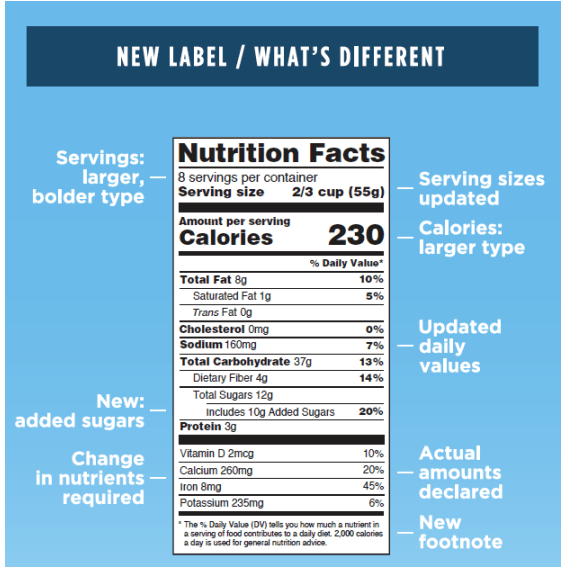
Nutrition plays a pivotal role in achieving fitness goals, and understanding how to read a nutrition facts panel is a crucial skill for anyone on… The post Reading Nutrition Labels: Guiding Personal Training Clients Through Recent Changes appeared first on National Federation of Professional Trainers.
Posted by on 2024-01-23
The term "collateral damage" is typically a military term, one that denotes unintended damage to an area around a target. But as it applies to resistance training, collateral damage can be a good thing. The post Collateral Vascular Damage: A Good or Bad Thing For Building Muscle? appeared first on National Federation of Professional Trainers.
Posted by on 2024-01-16
For individuals with osteoporosis, exercise can play a crucial role in improving bone density and reducing the risk of fractures. The recommended exercise parameters for improving bone density include weight-bearing exercises, resistance training, and balance exercises. Weight-bearing exercises involve activities that require the individual to support their body weight, such as walking, jogging, or dancing. These exercises help to stimulate bone growth and increase bone density. Resistance training, specifically with weights or resistance bands, can also be beneficial for improving bone density. It is important to start with light weights and gradually increase the intensity as tolerated. Balance exercises, such as standing on one leg or practicing yoga, can help improve stability and reduce the risk of falls. It is recommended to engage in these exercises for at least 30 minutes, 3-4 times per week, under the guidance of a healthcare professional.
Exercise prescription for individuals with diabetes differs from those without diabetes due to the unique considerations and potential risks associated with the condition. Regular exercise is highly recommended for individuals with diabetes as it can help improve insulin sensitivity, blood glucose control, and overall cardiovascular health. However, there are some important factors to consider when prescribing exercise for individuals with diabetes. It is important to monitor blood glucose levels before, during, and after exercise to ensure they remain within a safe range. Individuals may need to adjust their medication or insulin dosage accordingly. Additionally, individuals with diabetes should be cautious of hypoglycemia (low blood sugar) during or after exercise, and should always carry a source of fast-acting carbohydrates in case of an emergency. It is also important to consider any complications or comorbidities that may be present, such as diabetic neuropathy or cardiovascular disease, and tailor the exercise prescription accordingly. Regular communication with a healthcare professional is essential to ensure safe and effective exercise prescription for individuals with diabetes.
When prescribing exercise for pregnant women, there are specific considerations that need to be taken into account to ensure the safety and well-being of both the mother and the baby. Generally, exercise during pregnancy is encouraged as it can help improve cardiovascular fitness, maintain a healthy weight, and reduce the risk of gestational diabetes and preeclampsia. However, it is important to assess the individual's current fitness level, any pregnancy complications, and any contraindications to exercise. Low-impact activities such as walking, swimming, and prenatal yoga are generally safe and recommended. It is important to avoid activities with a high risk of falling or abdominal trauma, such as contact sports or activities with a high risk of impact. The intensity and duration of exercise should be individualized based on the woman's fitness level and any pregnancy-related symptoms. Regular monitoring of heart rate, blood pressure, and symptoms during exercise is important, and modifications may need to be made as the pregnancy progresses. It is always recommended to consult with a healthcare professional before starting or modifying an exercise program during pregnancy.

Individuals with chronic obstructive pulmonary disease (COPD) can benefit greatly from regular exercise, as it can help improve lung function, reduce symptoms, and enhance overall quality of life. The recommended exercise guidelines for individuals with COPD include a combination of aerobic exercise, resistance training, and breathing exercises. Aerobic exercise, such as walking, cycling, or swimming, helps to improve cardiovascular fitness and endurance. It is recommended to engage in aerobic exercise for at least 30 minutes, most days of the week. Resistance training, focusing on the major muscle groups, can help improve muscle strength and endurance, which can be particularly beneficial for individuals with COPD who may experience muscle weakness and fatigue. Breathing exercises, such as pursed lip breathing and diaphragmatic breathing, can help improve breathing efficiency and reduce shortness of breath. It is important to start with low-intensity exercises and gradually increase the intensity and duration as tolerated. Regular monitoring of symptoms and adjustments to the exercise prescription may be necessary, and it is recommended to work with a healthcare professional or pulmonary rehabilitation specialist to ensure safe and effective exercise prescription for individuals with COPD.
Exercise prescription differs for individuals with different body composition goals, such as weight loss versus muscle gain. For individuals looking to lose weight, the focus is on creating a calorie deficit through a combination of aerobic exercise and resistance training. Aerobic exercise helps to burn calories and increase overall energy expenditure, while resistance training helps to build and maintain muscle mass, which can increase metabolism. It is recommended to engage in at least 150 minutes of moderate-intensity aerobic exercise per week, along with 2-3 days of resistance training targeting all major muscle groups. The exercise prescription should also include a balanced and nutritious diet to support weight loss goals. On the other hand, for individuals looking to gain muscle mass, the focus is on resistance training and adequate protein intake. Resistance training should be performed at a higher intensity, with heavier weights and lower repetitions, to stimulate muscle growth. It is recommended to engage in resistance training at least 2-3 times per week, targeting all major muscle groups. Adequate protein intake is essential for muscle growth and repair, and it is recommended to consume 1.2-2.0 grams of protein per kilogram of body weight per day. Overall, the exercise prescription should be tailored to the individual's specific goals and desired outcomes.

Yes, personal training can indeed be tailored for individuals working night shifts. Many personal trainers understand the unique challenges faced by individuals who work during the night and are experienced in creating customized fitness programs to accommodate their schedules. These programs may include exercises that promote energy and alertness during the night, as well as strategies to optimize sleep and recovery during the day. Additionally, personal trainers may provide guidance on nutrition and meal planning to support the specific dietary needs of night shift workers. By considering the specific needs and constraints of individuals working night shifts, personal trainers can design effective and personalized fitness plans to help them achieve their health and fitness goals.
Personal training is highly beneficial for individuals with specific body composition goals. A personal trainer, equipped with extensive knowledge and expertise in exercise science, can design a tailored workout program that focuses on the individual's specific needs and goals. They can provide guidance on proper form and technique, ensuring that the individual is performing exercises correctly and effectively. Additionally, personal trainers can create a personalized nutrition plan that aligns with the individual's body composition goals, taking into account factors such as macronutrient ratios, caloric intake, and meal timing. They can also track progress and make necessary adjustments to the training and nutrition plan to optimize results. With their support and motivation, personal trainers can help individuals stay accountable and committed to their body composition goals, ultimately leading to successful and sustainable transformations.
Yes, there are specialized programs available for individuals with eating disorders. These programs are designed to provide comprehensive and targeted treatment for individuals struggling with anorexia nervosa, bulimia nervosa, binge eating disorder, and other related conditions. These programs typically offer a multidisciplinary approach, involving a team of professionals such as psychologists, psychiatrists, dietitians, and therapists who specialize in eating disorders. The treatment may include individual therapy, group therapy, nutritional counseling, medical monitoring, and medication management, depending on the individual's specific needs. These programs aim to address the underlying psychological, emotional, and behavioral factors contributing to the eating disorder, while also providing support and guidance for long-term recovery.
Yes, there are specialized programs available for individuals who are looking to improve their flexibility. These programs are designed to target specific muscle groups and increase range of motion through a variety of exercises and stretches. Some programs may focus on specific activities or sports that require a high level of flexibility, such as dance or gymnastics. These programs often include a combination of static and dynamic stretching, as well as exercises that improve strength and stability. Additionally, some programs may incorporate techniques such as yoga or Pilates, which are known for their ability to improve flexibility. Overall, these specialized programs provide individuals with a structured and targeted approach to improving their flexibility and can be tailored to meet the specific needs and goals of each individual.