
Periodization in fitness programming is a systematic approach to training that involves dividing the training program into specific phases or cycles. Each phase has a different focus and intensity level, allowing for progressive overload and adaptation. The goal of periodization is to optimize performance and prevent plateaus by strategically manipulating training variables such as volume, intensity, and frequency. This approach recognizes that the body adapts to stress and requires variation in order to continue making progress. By incorporating different phases of training, periodization helps individuals achieve their fitness goals more effectively.
The different phases or cycles involved in periodization typically include the preparatory phase, the hypertrophy phase, the strength phase, and the peaking phase. The preparatory phase focuses on building a foundation of general fitness and improving overall conditioning. The hypertrophy phase aims to increase muscle size and endurance through higher volume and moderate intensity training. The strength phase involves lower volume and higher intensity training to improve maximal strength. Finally, the peaking phase focuses on fine-tuning performance and maximizing strength and power output. These phases are typically structured in a progressive manner, with each phase building upon the previous one to optimize performance.
Volume, frequency, and load all factor into a successful resistance training program. Many personal training clients ask how often they should work out, how intensely,… The post What Is the Optimal Training Volume and Intensity for Strength Gains? Is More Actually Less? appeared first on National Federation of Professional Trainers.

Posted by on 2024-02-22
As we step into 2024, the fitness industry landscape continues to evolve, and with it comes the question: How much are personal trainers making in… The post How Much Do Personal Trainers Make? A Breakdown of Recent Industry Reports and Trends appeared first on National Federation of Professional Trainers.

Posted by on 2024-02-12
Meet Stacey Mercure, a passionate fitness enthusiast with a remarkable journey spanning 21 years as a dedicated NFPT trainer. At the age of 53, she… The post Stacey Mercure–NFPT Personal Trainer Spotlight appeared first on National Federation of Professional Trainers.

Posted by on 2024-01-28
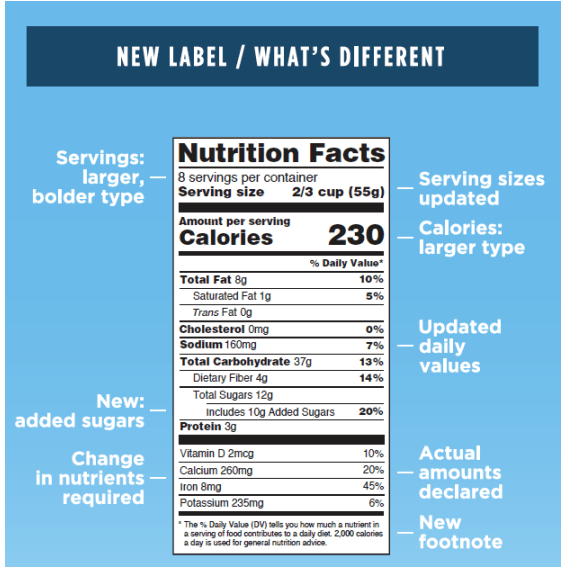
Nutrition plays a pivotal role in achieving fitness goals, and understanding how to read a nutrition facts panel is a crucial skill for anyone on… The post Reading Nutrition Labels: Guiding Personal Training Clients Through Recent Changes appeared first on National Federation of Professional Trainers.
Posted by on 2024-01-23
Periodization helps in preventing plateaus and optimizing performance by constantly challenging the body with new stimuli. When individuals follow the same training routine for an extended period of time, their bodies adapt and progress slows down. By incorporating different phases of training with varying intensities and volumes, periodization keeps the body guessing and prevents adaptation from occurring too quickly. This allows for continuous improvement and helps individuals break through plateaus. Additionally, periodization allows for proper recovery and reduces the risk of overtraining, which can negatively impact performance.

The key principles of periodization that trainers and coaches follow include progressive overload, specificity, variation, and individualization. Progressive overload involves gradually increasing the intensity, volume, or frequency of training to continually challenge the body. Specificity refers to tailoring the training program to the specific goals and needs of the individual. Variation is important to prevent adaptation and keep the body progressing. Finally, individualization recognizes that each person responds differently to training and requires a personalized approach to achieve optimal results.
Periodization can differ for different types of athletes or fitness goals based on the specific demands of the sport or activity. For example, endurance athletes may focus more on the preparatory and hypertrophy phases to build a solid aerobic base, while powerlifters may prioritize the strength and peaking phases to maximize strength and power output. Additionally, the duration and timing of each phase may vary depending on the individual's goals and competition schedule. The principles of periodization remain the same, but the application may be tailored to meet the specific needs of the athlete or individual.

The potential benefits of using periodization in fitness programming include improved performance, reduced risk of injury, and increased motivation. By systematically progressing through different phases of training, individuals can optimize their performance and achieve their goals more effectively. Periodization also helps prevent overtraining and reduces the risk of injury by allowing for proper recovery and adaptation. Additionally, the variation and structure provided by periodization can help individuals stay motivated and engaged in their training. However, a potential drawback of periodization is that it requires careful planning and monitoring to ensure that the program is properly structured and individualized.
To implement periodization effectively, it is important to set clear goals and establish a timeline for each phase of training. This allows for proper progression and ensures that the program is aligned with the individual's goals and needs. It is also important to monitor progress and make adjustments as needed. This may involve adjusting the volume, intensity, or frequency of training based on the individual's response and progress. Additionally, proper recovery and rest periods should be incorporated into the program to allow for adaptation and prevent overtraining. Regular assessments and evaluations can help track progress and make informed decisions about the training program.

Personal training is designed to be flexible and adaptable, making it an ideal option for individuals with busy schedules. Personal trainers understand the demands of a hectic lifestyle and are skilled at creating customized workout plans that can be easily integrated into a busy day. They can offer early morning or late evening sessions to accommodate individuals who have limited availability during regular business hours. Additionally, personal trainers can provide online or virtual training sessions, allowing clients to exercise from the comfort of their own homes or while traveling. This flexibility ensures that individuals with busy schedules can still prioritize their health and fitness goals without sacrificing other important commitments.
Personal training offers numerous benefits for individuals with high-stress jobs. Firstly, it provides a structured and personalized exercise program tailored to the individual's specific needs and goals. This helps in reducing stress levels by promoting physical activity and releasing endorphins, which are natural mood boosters. Additionally, personal trainers can teach stress management techniques such as deep breathing exercises, meditation, and mindfulness, which can be incorporated into the individual's daily routine to help them better cope with stress. Moreover, personal training sessions can serve as a form of therapy, allowing individuals to vent their frustrations and concerns, providing a supportive and non-judgmental environment. This can help in relieving mental and emotional stress, improving overall well-being. Overall, personal training offers a holistic approach to stress management, addressing both the physical and mental aspects, and empowering individuals to better navigate the challenges of their high-stress jobs.
Personal training is highly beneficial for athletes in specific sports as it allows for a tailored and specialized approach to their training regimen. By working closely with a personal trainer who has expertise in their particular sport, athletes can receive guidance and instruction that is specific to the demands and requirements of their chosen activity. This includes focusing on sport-specific skills, such as agility, speed, and endurance, as well as addressing any weaknesses or imbalances that may hinder performance. Additionally, personal trainers can provide valuable insights and strategies to enhance an athlete's performance, such as developing sport-specific training programs, analyzing technique and form, and implementing injury prevention measures. Through personalized training sessions, athletes can optimize their physical abilities, improve their performance, and ultimately excel in their chosen sport.
Yes, there are personalized training programs available for individuals with specific skin conditions. These programs are designed to address the unique needs and concerns of individuals with conditions such as acne, eczema, psoriasis, rosacea, and hyperpigmentation. The training programs typically involve a combination of education, guidance, and practical exercises to help individuals manage their skin condition effectively. They may include personalized skincare routines, dietary recommendations, lifestyle modifications, and specific exercises or techniques to improve skin health. These programs are often developed and delivered by skincare professionals, dermatologists, or estheticians who have expertise in treating specific skin conditions. By following a personalized training program, individuals can gain a better understanding of their skin condition and learn how to effectively manage and improve their skin health.