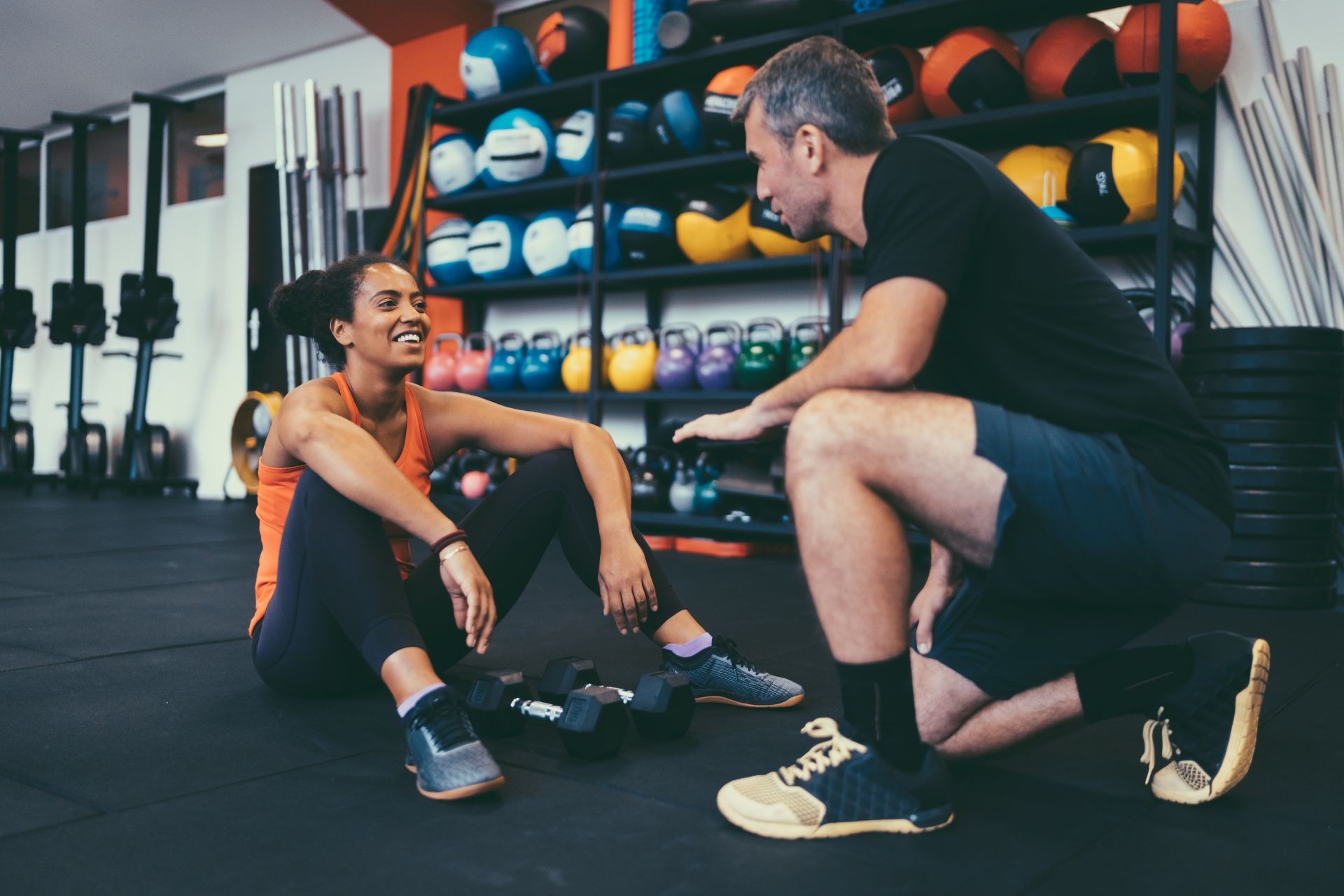
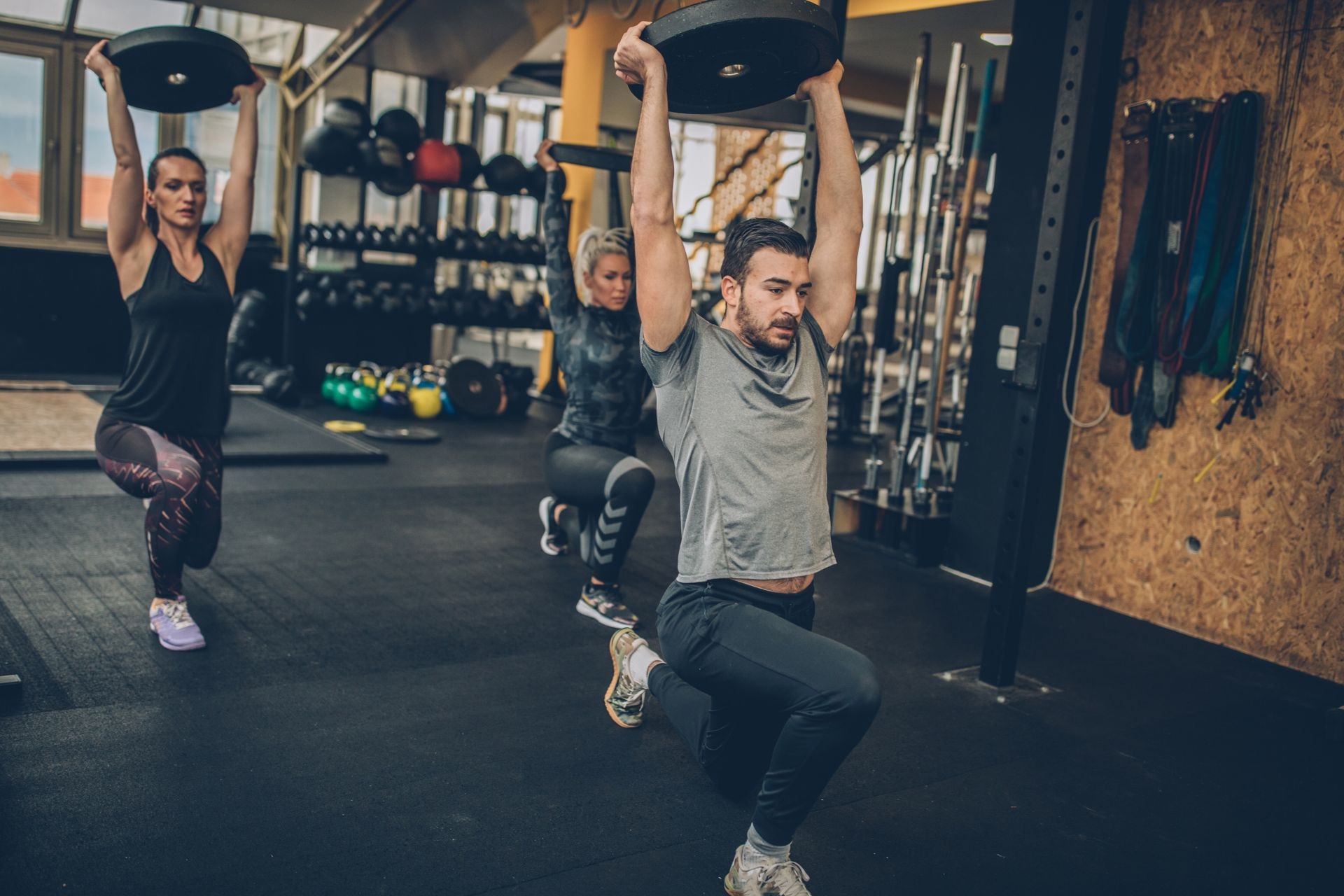
After a high-intensity workout, there are several active recovery techniques that can be used to aid in muscle recovery. Examples include light jogging or cycling, dynamic stretching, foam rolling, and low-intensity resistance exercises. Light jogging or cycling helps to increase blood flow and flush out metabolic waste products from the muscles. Dynamic stretching helps to improve flexibility and range of motion, while foam rolling can help release muscle tension and improve circulation. Low-intensity resistance exercises, such as bodyweight squats or lunges, can help to promote blood flow and activate the muscles without causing further fatigue.
Active recovery differs from passive recovery in terms of promoting muscle recovery because it involves engaging in low-intensity activities that help to increase blood flow and promote the removal of metabolic waste products from the muscles. Passive recovery, on the other hand, involves complete rest and does not involve any physical activity. While passive recovery can be beneficial in allowing the muscles to rest and recover, active recovery has the added benefit of promoting blood flow and circulation, which can help to speed up the recovery process and reduce muscle soreness.
As we step into 2024, the landscape of health and fitness continues to evolve, driven by a growing awareness of holistic well-being and technological advancements.… The post Top 2024 Health and Fitness Trends: Embracing Holistic Wellness appeared first on National Federation of Professional Trainers.
Posted by on 2024-01-12
Effective recovery strategies can significantly impact your personal training clients’ progress and overall satisfaction with their training program. Your clients rely on you as a… The post Recovery 101 for New Personal Trainers appeared first on National Federation of Professional Trainers.
Posted by on 2024-01-08
What has helped me to be successful as a coach from the beginning of my 20+ years career as a personal trainer, despite inexperience or… The post Coaching Body Awareness for Personal Training Clients: A Secret to Success appeared first on National Federation of Professional Trainers.
Posted by on 2024-01-06
Wind sprints have secured a prominent place among today’s vast array of personal training options. Consisting of a series of top-speed running spurts, followed by… The post Wind Sprints: How to Effectively Train Personal Training Clients for Speed appeared first on National Federation of Professional Trainers.

Posted by on 2024-01-02
Yes, active recovery techniques can help reduce muscle soreness and prevent delayed onset muscle soreness (DOMS). By engaging in low-intensity activities after a high-intensity workout, such as light jogging or cycling, the muscles are able to continue moving and flushing out metabolic waste products. This can help to reduce inflammation and soreness in the muscles. Additionally, active recovery exercises, such as foam rolling and dynamic stretching, can help to release muscle tension and improve flexibility, which can also aid in reducing muscle soreness and preventing DOMS.
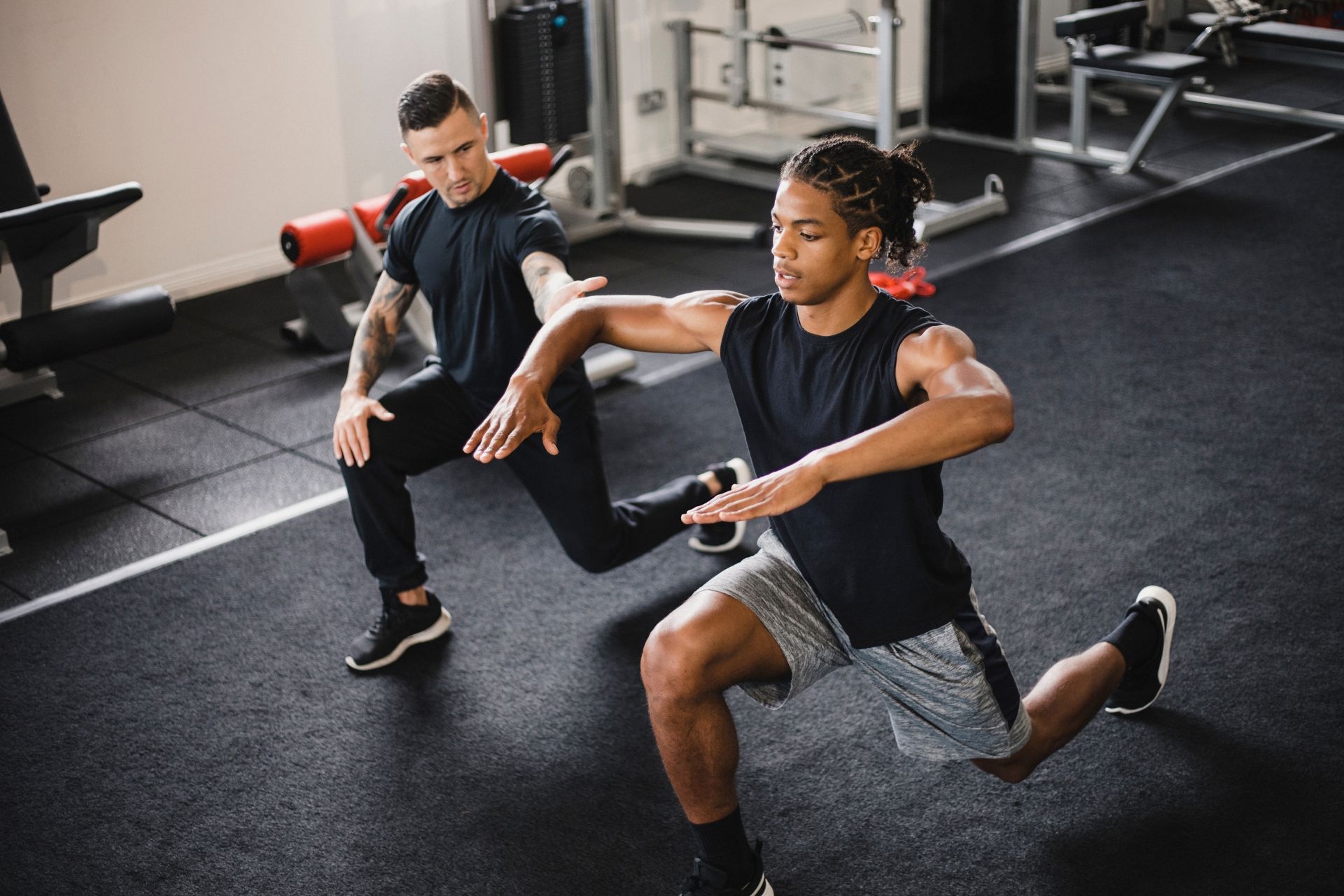
There are specific active recovery exercises and stretches that are recommended for specific muscle groups. For example, after a leg workout, exercises such as bodyweight squats or lunges can help to promote blood flow and activate the leg muscles. Stretching exercises such as standing quad stretches or seated hamstring stretches can also be beneficial for the leg muscles. Similarly, after an upper body workout, exercises such as push-ups or light dumbbell exercises can be performed to promote blood flow and activate the upper body muscles. Stretching exercises such as shoulder stretches or chest stretches can also be beneficial for the upper body muscles.
The duration of an active recovery session can vary depending on individual preferences and fitness levels. However, a typical active recovery session should last around 20 to 30 minutes in order to be effective. This allows enough time to engage in low-intensity activities, such as light jogging or cycling, as well as perform stretching exercises and foam rolling. It is important to listen to your body and adjust the duration of the active recovery session based on how you feel.
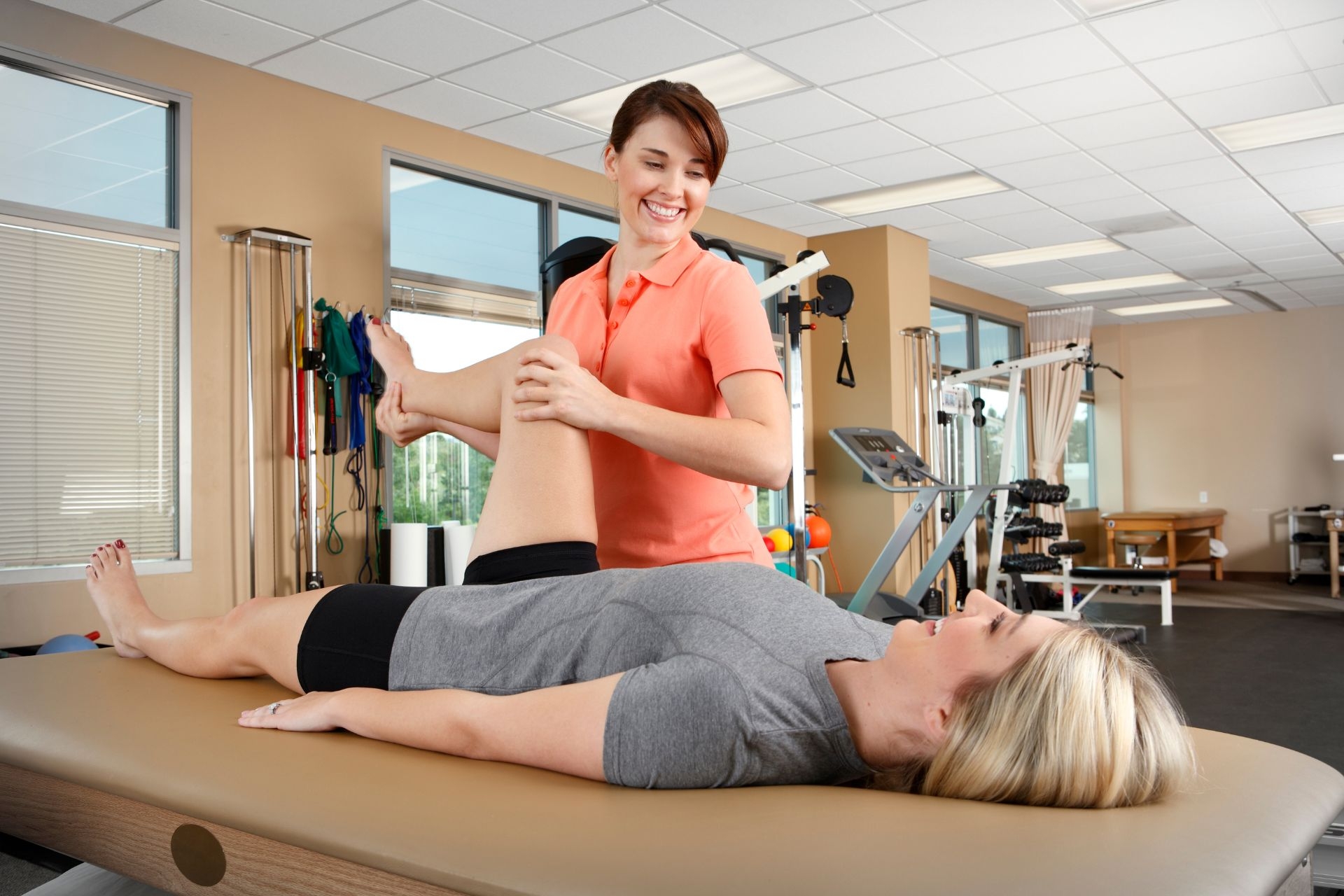
Active recovery techniques can be beneficial for individuals with chronic pain or injuries. By engaging in low-intensity activities and performing stretching exercises, active recovery can help to improve blood flow, reduce muscle tension, and promote healing in injured or painful areas. However, it is important to consult with a healthcare professional or physical therapist before incorporating active recovery techniques into a fitness routine, especially if you have a pre-existing condition or injury.
While active recovery techniques are generally safe, there are some potential risks and precautions to consider. It is important to start with low-intensity activities and gradually increase the intensity as your body allows. Pushing too hard during an active recovery session can lead to further muscle fatigue and increase the risk of injury. It is also important to listen to your body and stop any activity that causes pain or discomfort. Additionally, individuals with certain medical conditions or injuries may need to modify or avoid certain active recovery exercises. It is always best to consult with a healthcare professional or qualified fitness instructor before incorporating active recovery techniques into your fitness routine.
Personal training can offer numerous benefits for individuals with ADHD or autism. One of the main advantages is the structured and individualized approach that personal trainers can provide. By tailoring the exercise program to the specific needs and abilities of the individual, personal trainers can help improve focus, attention, and self-regulation skills. Additionally, personal training sessions can serve as a safe and supportive environment for individuals with ADHD or autism to learn and practice social skills, such as following instructions, taking turns, and working in a group setting. The physical activity involved in personal training can also help reduce hyperactivity and impulsivity, while promoting overall physical health and well-being. Furthermore, personal trainers can incorporate sensory integration techniques and exercises that can be particularly beneficial for individuals with autism, helping them improve body awareness, coordination, and sensory processing abilities. Overall, personal training can play a crucial role in enhancing the physical, cognitive, and social functioning of individuals with ADHD or autism.
Personal training can provide numerous benefits for individuals with chronic pain. Firstly, a personal trainer who specializes in working with clients with chronic pain can develop a tailored exercise program that focuses on improving strength, flexibility, and mobility, which are crucial for managing chronic pain. Additionally, personal training sessions can help individuals with chronic pain learn proper body mechanics and movement patterns to prevent further injury and reduce pain. The guidance and support provided by a personal trainer can also help individuals with chronic pain stay motivated and accountable to their exercise routine, leading to long-term pain management and improved overall well-being. Furthermore, personal trainers can provide education on pain management techniques, such as relaxation exercises and stress reduction strategies, which can complement the exercise program and further alleviate chronic pain symptoms. Overall, personal training can be a valuable tool for individuals with chronic pain to improve their physical fitness, manage pain, and enhance their quality of life.
Yes, there are personalized training options available for individuals with joint pain or arthritis. These options cater specifically to the needs and limitations of individuals with these conditions, providing exercises and techniques that are gentle on the joints and help to alleviate pain. Personal trainers and fitness professionals who specialize in working with clients with joint pain or arthritis can create customized exercise programs that focus on improving flexibility, strength, and range of motion while minimizing stress on the joints. These programs may include low-impact exercises such as swimming, cycling, or yoga, as well as targeted strength training exercises that help to support and stabilize the joints. Additionally, trainers may incorporate techniques such as heat therapy, cold therapy, or hydrotherapy to further reduce pain and inflammation. By tailoring the training program to the individual's specific needs and abilities, personalized training options can help individuals with joint pain or arthritis to stay active, improve their overall fitness, and manage their condition effectively.
Yes, there are personalized training options available for individuals who are looking to enhance their memory and cognitive function. These training programs are designed to cater to the specific needs and goals of each individual, taking into account factors such as age, current cognitive abilities, and areas of improvement. These programs often incorporate a combination of mental exercises, brain games, and memory techniques to stimulate and challenge the brain. Additionally, some personalized training options may also include lifestyle modifications, such as diet and exercise recommendations, as these factors can also impact cognitive function. Overall, these personalized training options aim to provide individuals with the tools and strategies they need to optimize their memory and cognitive abilities.