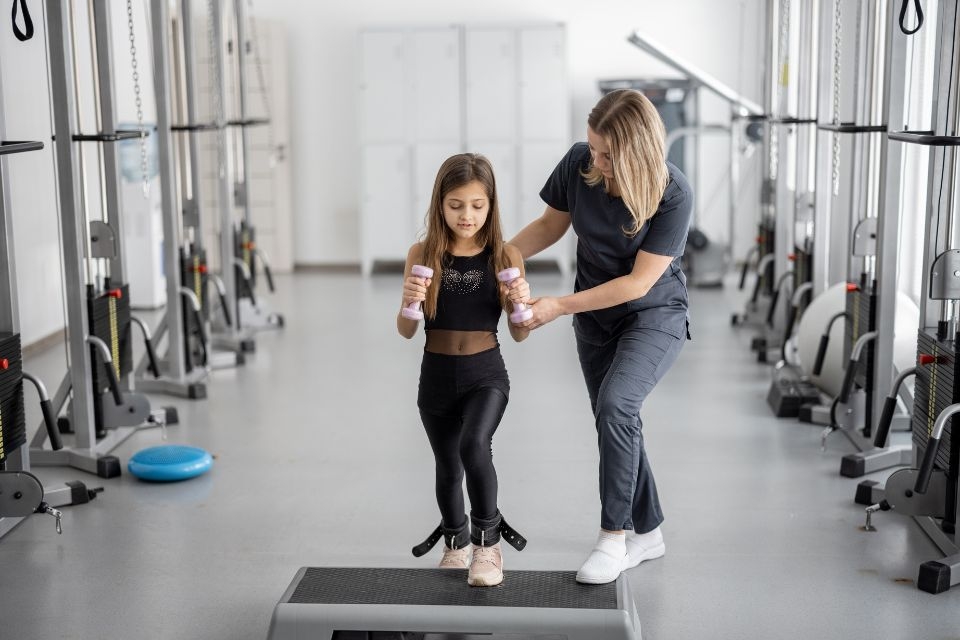
Common injury prevention strategies for athletes include proper warm-up and stretching exercises before engaging in physical activity, wearing appropriate protective gear such as helmets, pads, and braces, maintaining good physical fitness and conditioning, and following proper technique and form during training and competition. It is also important for athletes to listen to their bodies and take rest days when needed, as overtraining can increase the risk of injury. Additionally, athletes should be aware of their surroundings and avoid hazardous conditions or equipment that could lead to accidents or injuries.
Workplace injuries can be prevented through proper training and equipment. Employees should receive thorough training on how to safely operate machinery and equipment, as well as how to properly lift and carry heavy objects. Employers should provide workers with the necessary personal protective equipment (PPE) such as gloves, goggles, and hard hats, and ensure that it is worn correctly. Regular maintenance and inspections of equipment should also be conducted to identify and address any potential hazards. Additionally, creating a culture of safety in the workplace, where employees are encouraged to report unsafe conditions or near misses, can help prevent injuries.
Volume, frequency, and load all factor into a successful resistance training program. Many personal training clients ask how often they should work out, how intensely,… The post What Is the Optimal Training Volume and Intensity for Strength Gains? Is More Actually Less? appeared first on National Federation of Professional Trainers.

Posted by on 2024-02-22
As we step into 2024, the fitness industry landscape continues to evolve, and with it comes the question: How much are personal trainers making in… The post How Much Do Personal Trainers Make? A Breakdown of Recent Industry Reports and Trends appeared first on National Federation of Professional Trainers.

Posted by on 2024-02-12
Meet Stacey Mercure, a passionate fitness enthusiast with a remarkable journey spanning 21 years as a dedicated NFPT trainer. At the age of 53, she… The post Stacey Mercure–NFPT Personal Trainer Spotlight appeared first on National Federation of Professional Trainers.

Posted by on 2024-01-28
Nutrition plays a pivotal role in achieving fitness goals, and understanding how to read a nutrition facts panel is a crucial skill for anyone on… The post Reading Nutrition Labels: Guiding Personal Training Clients Through Recent Changes appeared first on National Federation of Professional Trainers.

Posted by on 2024-01-23
Key strategies to prevent falls and injuries among older adults include regular exercise to improve strength and balance, removing hazards in the home such as loose rugs or cluttered walkways, installing grab bars in bathrooms and stairwells, and using assistive devices such as canes or walkers when needed. Regular vision and hearing check-ups are also important, as impaired senses can increase the risk of falls. It is also crucial for older adults to be aware of their limitations and avoid activities or environments that may be too challenging or unsafe for them.
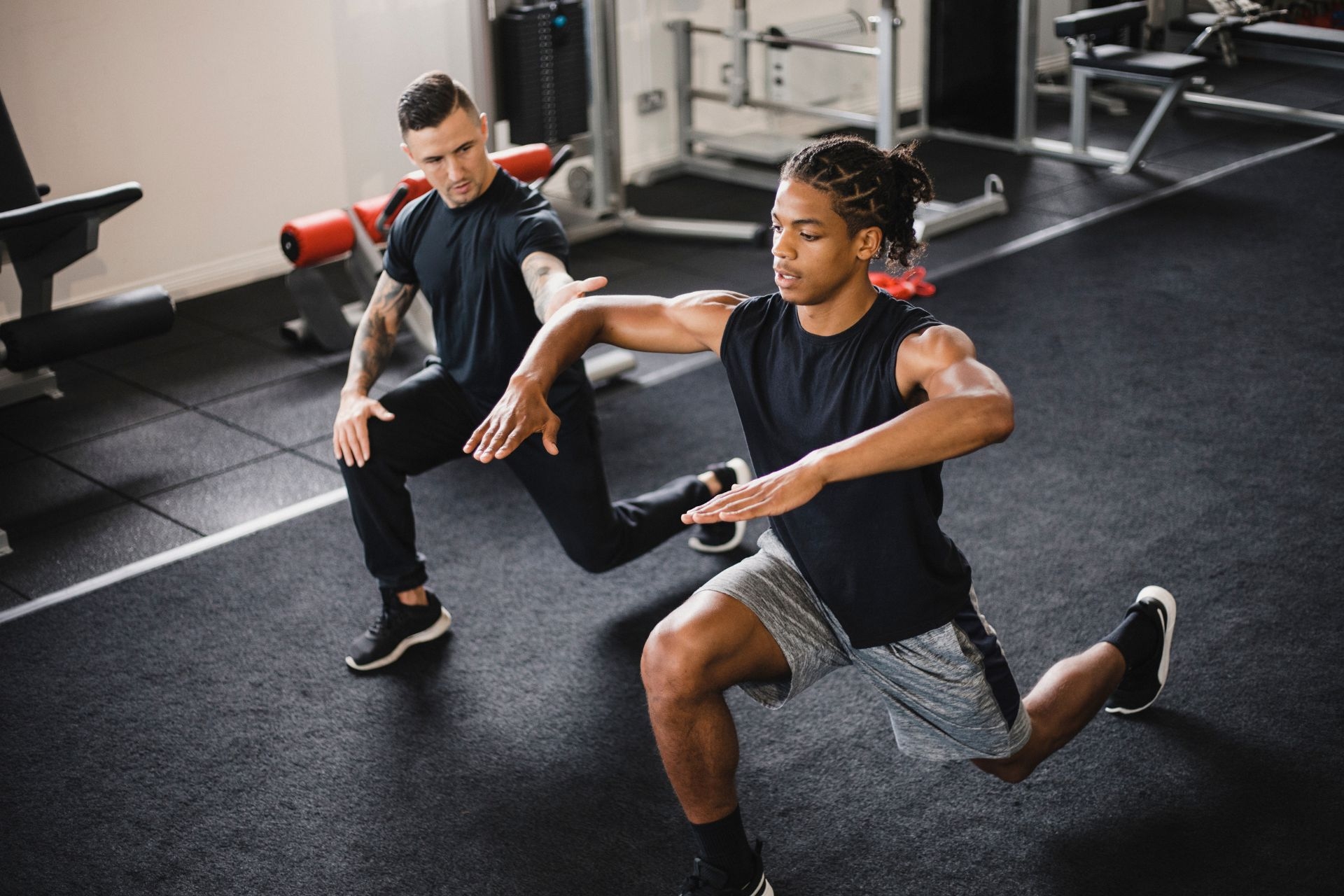
Recommended injury prevention strategies for children during playtime include providing age-appropriate and properly maintained equipment, such as playgrounds with soft surfaces and well-maintained swings and slides. Adult supervision is essential to ensure that children are using the equipment correctly and following safety guidelines. Educating children about the importance of wearing helmets and other protective gear when biking or participating in sports is also crucial. Creating a safe play environment by removing potential hazards, such as sharp objects or toxic substances, can further reduce the risk of injuries.
Proper ergonomics and posture can help prevent repetitive strain injuries. This includes maintaining a neutral spine alignment, using ergonomic equipment such as adjustable chairs and desks, and taking regular breaks to stretch and move around. It is important to position computer monitors at eye level and maintain a comfortable distance from the screen to reduce eye strain. Using proper lifting techniques and avoiding repetitive motions can also help prevent strain injuries. Employers should provide training on ergonomics and encourage employees to report any discomfort or pain that may be related to their work environment.
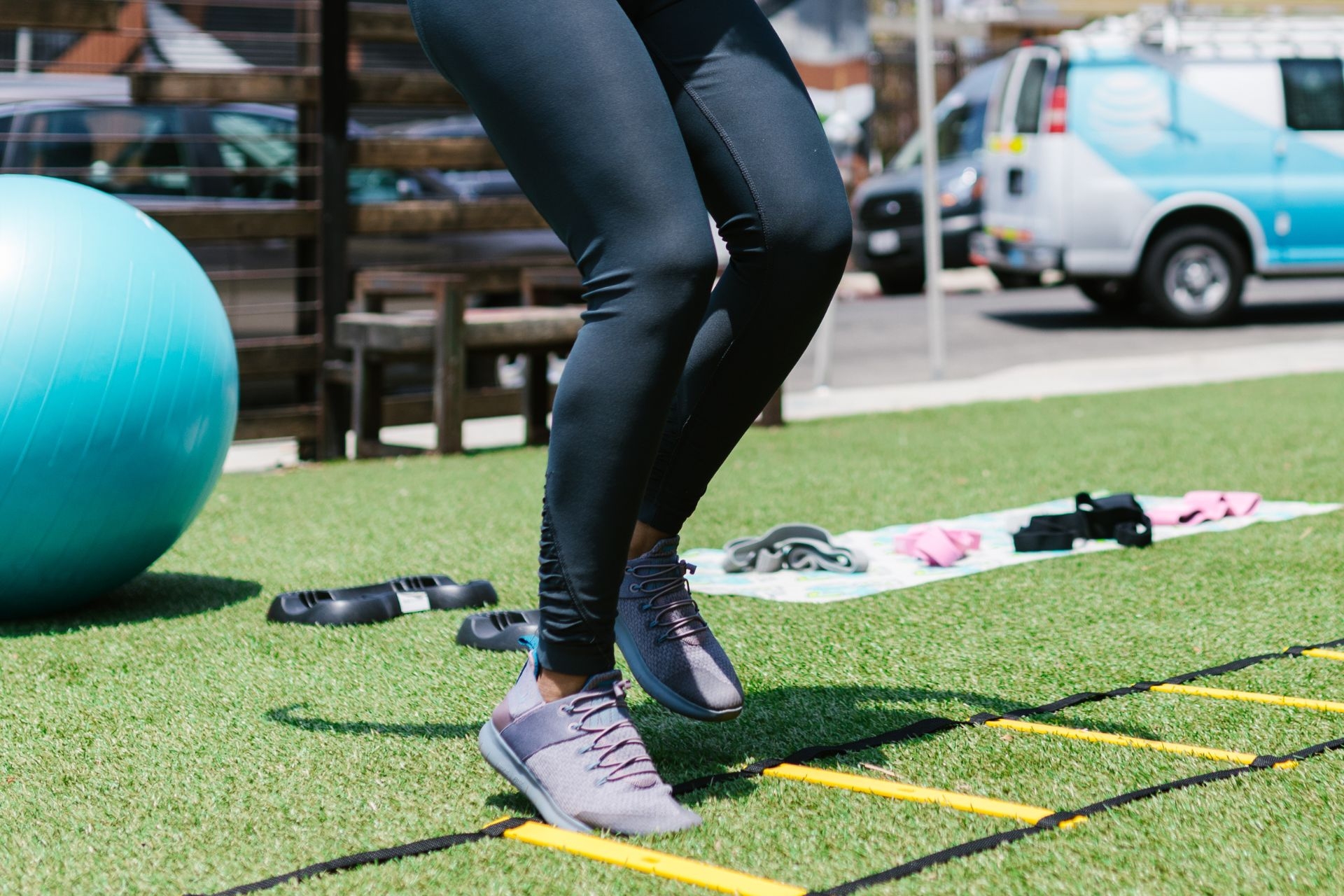
Best practices for preventing sports-related concussions include wearing properly fitted helmets and protective headgear, following the rules and regulations of the sport, and avoiding unnecessary risks or dangerous plays. Coaches and trainers should be educated on the signs and symptoms of concussions and have protocols in place for immediate evaluation and treatment. Athletes should also be encouraged to report any head injuries or symptoms of a concussion, and should not be allowed to return to play until they have been cleared by a medical professional. Education and awareness about the risks and long-term consequences of concussions are also important for athletes, coaches, and parents.
Safety measures and precautions to prevent car accidents and injuries include wearing seat belts at all times, obeying traffic laws and speed limits, avoiding distractions such as texting or talking on the phone while driving, and never driving under the influence of alcohol or drugs. Regular vehicle maintenance, including checking tire pressure and tread, can help prevent accidents caused by mechanical failures. It is also important to be aware of and yield to pedestrians and cyclists, and to use turn signals and mirrors to communicate intentions to other drivers. Defensive driving techniques, such as maintaining a safe following distance and being prepared for unexpected situations, can further reduce the risk of accidents and injuries on the road.
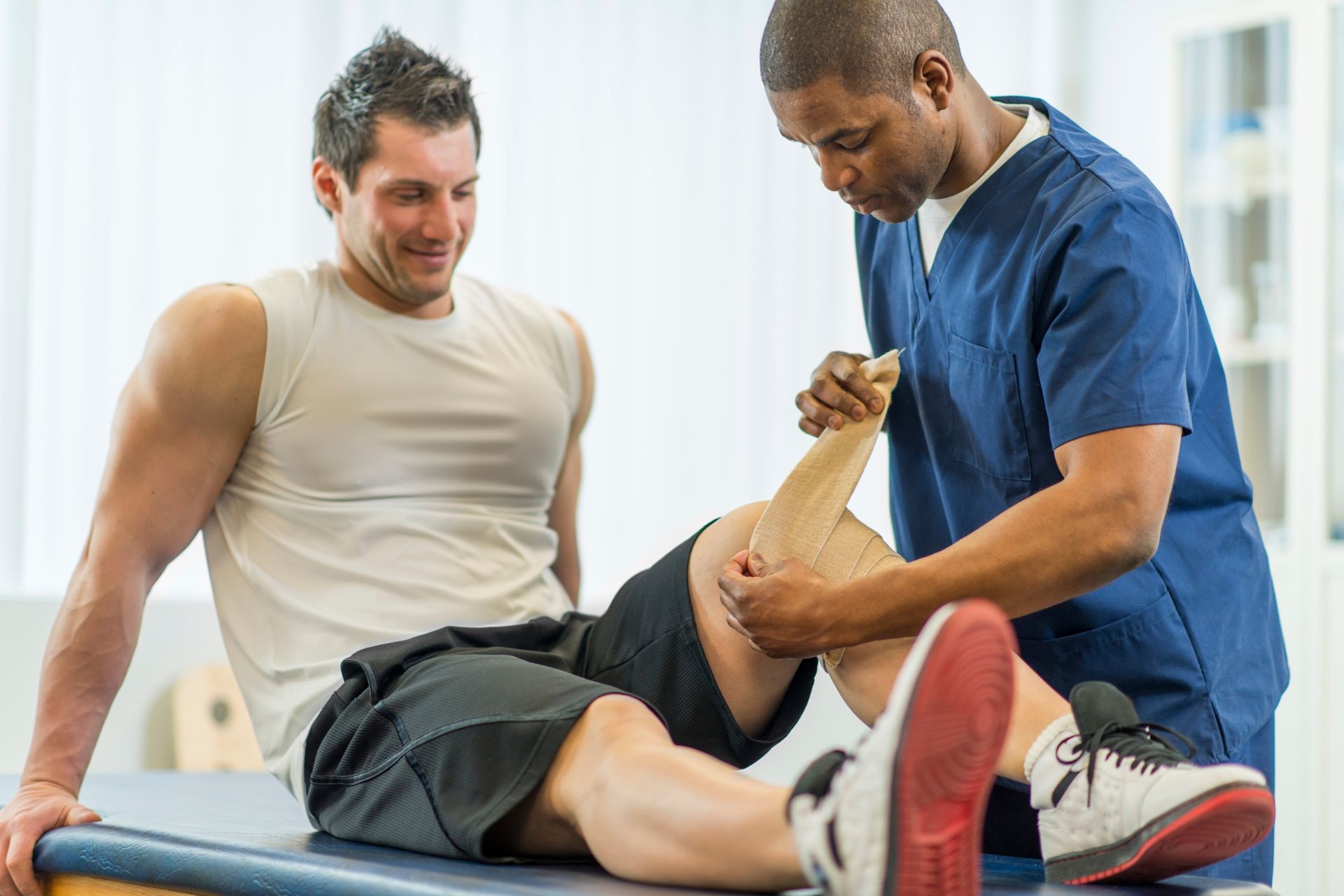
Yes, personal training can be highly beneficial in assisting with post-injury rehabilitation. A skilled personal trainer who specializes in rehabilitation can provide tailored exercise programs that focus on strengthening the injured area, improving flexibility, and enhancing overall physical function. They can also incorporate specific exercises and techniques that target the affected muscles, joints, or ligaments, helping to restore mobility and range of motion. Additionally, personal trainers can provide guidance on proper form and technique to prevent further injury and ensure safe and effective rehabilitation. By working closely with a personal trainer, individuals can receive the necessary support, motivation, and expertise to aid in their recovery process and regain optimal physical health.
Yes, there are personalized training options available for frequent travelers. These training options cater specifically to the needs and challenges faced by individuals who travel frequently. They offer a range of services such as customized workout plans, nutrition guidance, and travel-friendly exercise routines. These programs take into consideration the time constraints and limited access to equipment that frequent travelers often experience. Additionally, they may provide tips and strategies for maintaining a healthy lifestyle while on the road, including suggestions for healthy eating options at airports and hotels. These personalized training options aim to help frequent travelers stay fit and healthy despite their demanding travel schedules.
Personal training offers several benefits for individuals with metabolic disorders. Firstly, a personalized exercise program can help improve metabolic function by increasing insulin sensitivity and promoting glucose uptake in the muscles. This can be achieved through a combination of aerobic exercises, strength training, and high-intensity interval training, which have been shown to positively impact metabolic health. Additionally, a personal trainer can provide guidance on nutrition and dietary choices that can support metabolic health, such as consuming a balanced diet with appropriate macronutrient ratios and managing portion sizes. Regular exercise sessions with a personal trainer can also help individuals with metabolic disorders maintain a healthy weight, which is crucial for managing conditions such as diabetes and metabolic syndrome. Furthermore, personal trainers can provide motivation, accountability, and support, which can be particularly beneficial for individuals with metabolic disorders who may face unique challenges and barriers to exercise. Overall, personal training can play a vital role in improving metabolic health and overall well-being for individuals with metabolic disorders.
Personal training is a highly effective method for supporting individuals with specific weight loss goals. A personal trainer possesses the expertise and knowledge to create customized workout routines and nutrition plans that are tailored to the individual's specific needs and goals. They can provide guidance on proper form and technique during exercises, ensuring that the individual is maximizing their calorie burn and targeting the right muscle groups. Additionally, personal trainers can offer motivation and accountability, helping individuals stay on track with their weight loss journey. They can also provide education on healthy eating habits and portion control, which are crucial for achieving and maintaining weight loss. Overall, personal training provides individuals with the necessary tools and support to reach their weight loss goals in a safe and efficient manner.
Personal training can indeed help individuals enhance their overall quality of life and longevity. By engaging in regular exercise and working with a personal trainer, individuals can improve their physical fitness, strength, and flexibility. This can lead to a reduction in the risk of chronic diseases such as heart disease, diabetes, and obesity. Additionally, personal training can help individuals develop healthy habits and behaviors, such as proper nutrition and stress management, which can further contribute to their overall well-being. The guidance and support provided by a personal trainer can also help individuals set and achieve realistic goals, boosting their self-confidence and motivation. Overall, personal training can play a crucial role in improving an individual's physical and mental health, leading to a higher quality of life and increased longevity.
Personal training can have a significant impact on mental health and well-being by providing individuals with a structured and supportive environment to improve their physical fitness. Engaging in regular exercise has been shown to release endorphins, which are natural mood boosters that can alleviate symptoms of depression and anxiety. Additionally, personal trainers often incorporate mindfulness and stress-reduction techniques into their sessions, such as deep breathing exercises and meditation, which can help individuals manage stress and improve their overall mental well-being. The personalized attention and guidance provided by a personal trainer can also enhance self-confidence and self-esteem, as individuals achieve their fitness goals and develop a positive body image. Furthermore, the social aspect of personal training can foster a sense of belonging and community, reducing feelings of isolation and promoting mental wellness. Overall, personal training offers a holistic approach to improving mental health and well-being by addressing both physical and psychological aspects of an individual's life.