
Personal training can offer numerous benefits for weight loss. A personal trainer can provide individualized guidance and support, helping to create a tailored workout plan that targets specific areas of concern. They can also provide nutritional advice and help develop healthy eating habits, which is crucial for weight loss. Additionally, personal trainers can offer motivation and accountability, ensuring that individuals stay on track with their weight loss goals. They can monitor progress, make adjustments to the workout plan as needed, and provide ongoing support and encouragement throughout the weight loss journey.
Personal training offers a tailored approach to fitness, providing individuals with the guidance and motivation needed to achieve their health and wellness goals efficiently. Click here to learn more about Personal Training Services in Portola Valley CA.
This personalized approach not only helps in setting realistic targets based on one's unique body composition and lifestyle but also in maintaining consistency and accountability throughout the fitness journey.
Personal training is highly effective in improving muscle strength and tone. A personal trainer can design a workout program that includes resistance training exercises, such as weightlifting or bodyweight exercises, that specifically target and challenge the muscles. By gradually increasing the intensity and difficulty of these exercises, a personal trainer can help individuals build strength and develop lean muscle mass. They can also provide guidance on proper form and technique, ensuring that individuals are performing exercises correctly and safely. With consistent training and guidance, individuals can see significant improvements in their muscle strength and tone.
The term "collateral damage" is typically a military term, one that denotes unintended damage to an area around a target. But as it applies to resistance training, collateral damage can be a good thing. The post Collateral Vascular Damage: A Good or Bad Thing For Building Muscle? appeared first on National Federation of Professional Trainers.
Posted by on 2024-01-16
Wind sprints have secured a prominent place among today’s vast array of personal training options. Consisting of a series of top-speed running spurts, followed by… The post Wind Sprints: How to Effectively Train Personal Training Clients for Speed appeared first on National Federation of Professional Trainers.

Posted by on 2024-01-02
Meet Stacey Mercure, a passionate fitness enthusiast with a remarkable journey spanning 21 years as a dedicated NFPT trainer. At the age of 53, she… The post Stacey Mercure–NFPT Personal Trainer Spotlight appeared first on National Federation of Professional Trainers.

Posted by on 2024-01-28
As we step into 2024, the landscape of health and fitness continues to evolve, driven by a growing awareness of holistic well-being and technological advancements.… The post Top 2024 Health and Fitness Trends: Embracing Holistic Wellness appeared first on National Federation of Professional Trainers.

Posted by on 2024-01-12
As we step into 2024, the fitness industry landscape continues to evolve, and with it comes the question: How much are personal trainers making in… The post How Much Do Personal Trainers Make? A Breakdown of Recent Industry Reports and Trends appeared first on National Federation of Professional Trainers.

Posted by on 2024-02-12
Personal training plays a crucial role in improving cardiovascular fitness. A personal trainer can design a workout program that includes cardiovascular exercises, such as running, cycling, or swimming, that elevate the heart rate and increase endurance. These exercises help to strengthen the heart and lungs, improve circulation, and enhance overall cardiovascular health. Personal trainers can also monitor heart rate and intensity levels during workouts, ensuring that individuals are working within their target heart rate zone for optimal cardiovascular benefits. With regular training and guidance, individuals can experience improvements in their cardiovascular fitness and endurance.

Yes, personal training can be highly beneficial for individuals with specific health conditions such as diabetes or arthritis. Personal trainers are trained to work with individuals who have various health concerns and can tailor workout programs to accommodate their specific needs. For individuals with diabetes, a personal trainer can design a program that focuses on managing blood sugar levels through exercise and proper nutrition. For individuals with arthritis, a personal trainer can develop a program that includes low-impact exercises to reduce joint pain and stiffness. Personal trainers can provide guidance on proper form, modifications, and exercises that are safe and effective for individuals with specific health conditions.
Personal training can contribute to improved flexibility and mobility. A personal trainer can incorporate stretching exercises and mobility drills into a workout program, helping to increase flexibility and range of motion. They can also provide guidance on proper stretching techniques and help individuals target specific areas of tightness or stiffness. By regularly incorporating stretching and mobility exercises into their routine, individuals can experience improved flexibility, reduced muscle tension, and enhanced overall mobility.
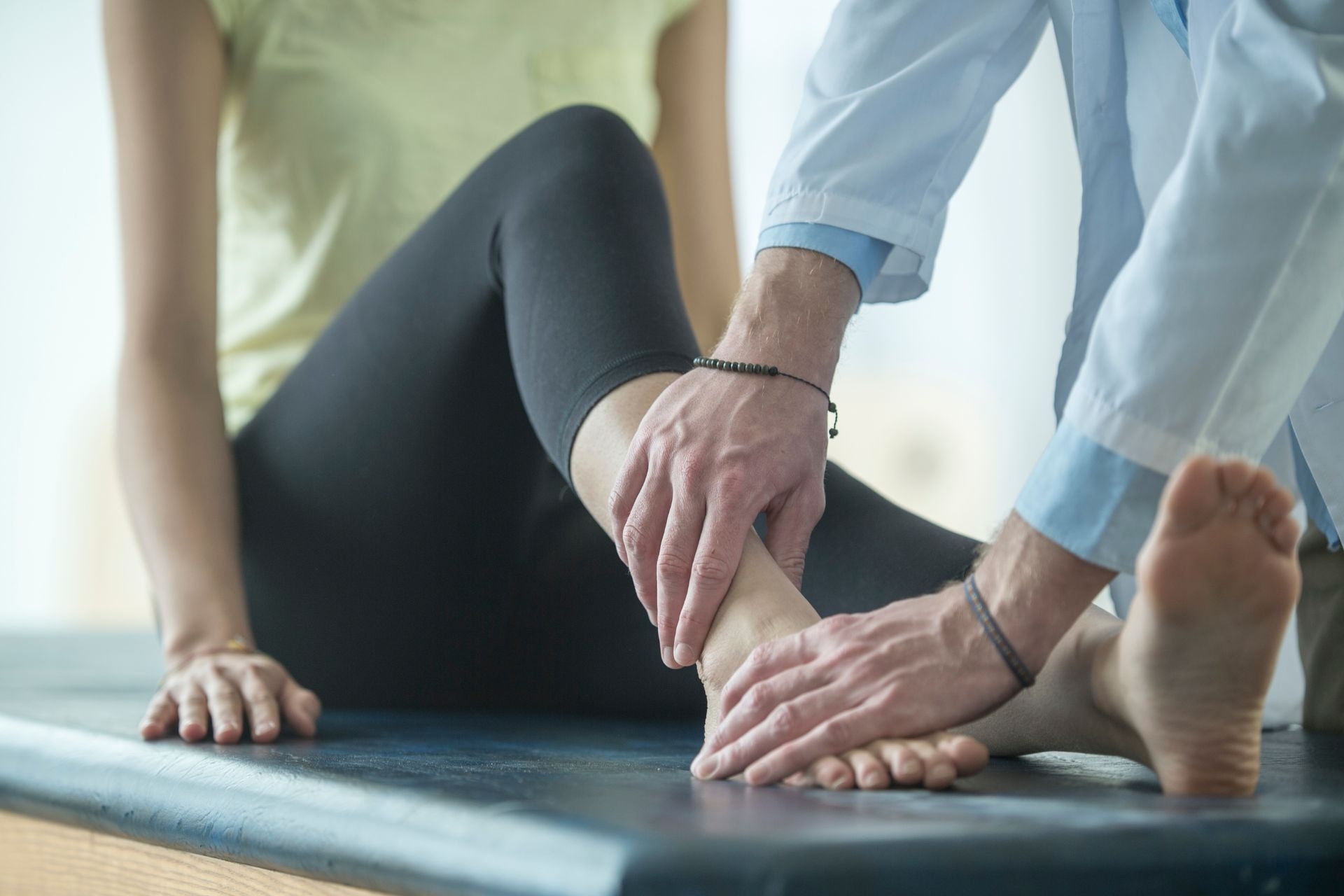
Having a personalized workout plan created by a personal trainer offers several advantages. Firstly, a personalized plan takes into account an individual's specific goals, fitness level, and any limitations or health concerns they may have. This ensures that the workout plan is tailored to their needs and is both safe and effective. Secondly, a personalized plan provides structure and direction, making it easier for individuals to stay focused and motivated. It eliminates the guesswork and provides a clear roadmap for progress. Lastly, a personalized plan allows for ongoing adjustments and modifications as needed. A personal trainer can monitor progress, make changes to the plan, and provide ongoing support and guidance to ensure continued progress and success.
Personal training helps individuals stay motivated and accountable to their fitness goals in several ways. Firstly, personal trainers provide ongoing support and encouragement, helping individuals stay motivated even when faced with challenges or setbacks. They can offer guidance and advice, celebrate achievements, and provide a source of motivation and inspiration. Secondly, personal trainers hold individuals accountable for their actions and progress. They can track progress, monitor adherence to the workout plan, and provide feedback and guidance when needed. This accountability helps individuals stay on track and committed to their fitness goals. Additionally, personal trainers can provide variety and diversity in workouts, keeping individuals engaged and motivated. They can introduce new exercises, techniques, or training methods to prevent boredom and maintain enthusiasm. Overall, personal training provides the necessary support, motivation, and accountability to help individuals stay committed to their fitness goals and achieve long-term success.

Yes, there are personalized training options available for vegans and vegetarians. Many fitness professionals and trainers understand the unique dietary needs and preferences of individuals following a vegan or vegetarian lifestyle. They can provide personalized workout plans and nutrition guidance that align with the specific requirements of a plant-based diet. These trainers may have expertise in creating meal plans that ensure adequate protein intake, incorporating plant-based protein sources such as tofu, tempeh, legumes, and quinoa. Additionally, they can offer advice on optimizing nutrient absorption, managing energy levels, and addressing any potential nutrient deficiencies that may arise from a vegan or vegetarian diet. By tailoring their training programs to the needs of vegans and vegetarians, these professionals can help individuals achieve their fitness goals while adhering to their dietary choices.
Yes, personal training can be highly effective in improving posture and alleviating back pain. A skilled personal trainer can provide targeted exercises and stretches that specifically target the muscles and areas of the body that contribute to poor posture and back pain. These exercises may include core strengthening exercises, flexibility training, and corrective exercises that focus on the muscles of the back, neck, and shoulders. Additionally, a personal trainer can provide guidance on proper body mechanics and posture during everyday activities, such as sitting, standing, and lifting, which can help prevent further strain on the back. By addressing the underlying causes of poor posture and back pain, personal training can help individuals develop better alignment, strengthen weak muscles, and alleviate discomfort.
Yes, personal training can be beneficial for individuals managing chronic fatigue or fibromyalgia. Engaging in a personalized exercise program under the guidance of a trained professional can help improve overall fitness levels, increase energy levels, and reduce symptoms associated with chronic fatigue or fibromyalgia. The personal trainer can design a program that includes low-impact exercises, such as gentle stretching, aerobic exercises, and strength training, which can help improve muscle strength, flexibility, and cardiovascular endurance. Additionally, the personal trainer can provide guidance on proper form and technique, ensuring that individuals with chronic fatigue or fibromyalgia exercise safely and effectively. Regular exercise can also help manage stress, improve sleep quality, and enhance mood, all of which are important factors in managing chronic fatigue or fibromyalgia. By working closely with a personal trainer, individuals with chronic fatigue or fibromyalgia can develop a tailored exercise program that meets their specific needs and goals, ultimately improving their overall well-being and quality of life.
Yes, there are personalized training programs available for individuals who are preparing for surgery. These programs are designed to cater to the specific needs and goals of each individual, taking into consideration their medical condition, type of surgery, and overall fitness level. The training programs may include exercises to improve strength, flexibility, and cardiovascular endurance, as well as techniques to manage pain and reduce anxiety. Additionally, these programs may also provide guidance on nutrition and lifestyle modifications to optimize the individual's overall health and recovery. The personalized nature of these training programs ensures that individuals receive the necessary support and guidance to prepare their bodies for surgery and enhance their post-operative outcomes.
Yes, personal training can be highly beneficial for individuals managing chronic conditions like diabetes. Regular exercise and physical activity are crucial components of diabetes management, as they help improve insulin sensitivity, regulate blood sugar levels, and enhance overall cardiovascular health. A personal trainer can provide specialized guidance and support to individuals with diabetes, tailoring exercise programs to their specific needs and limitations. They can educate clients about the importance of regular physical activity, teach them proper exercise techniques, and help them set realistic goals. Additionally, personal trainers can monitor clients' progress, provide motivation and accountability, and make necessary adjustments to their exercise routines as their condition evolves. By working closely with a personal trainer, individuals with diabetes can effectively manage their condition, improve their overall health, and enhance their quality of life.